By Jim Shimabukuro (assisted by ChatGPT)
Note: I began publishing this series on July 29, 2026, in ETC Journal and decided, on July 31, to also publish it in Liuchiuan because of the subject matter. -js
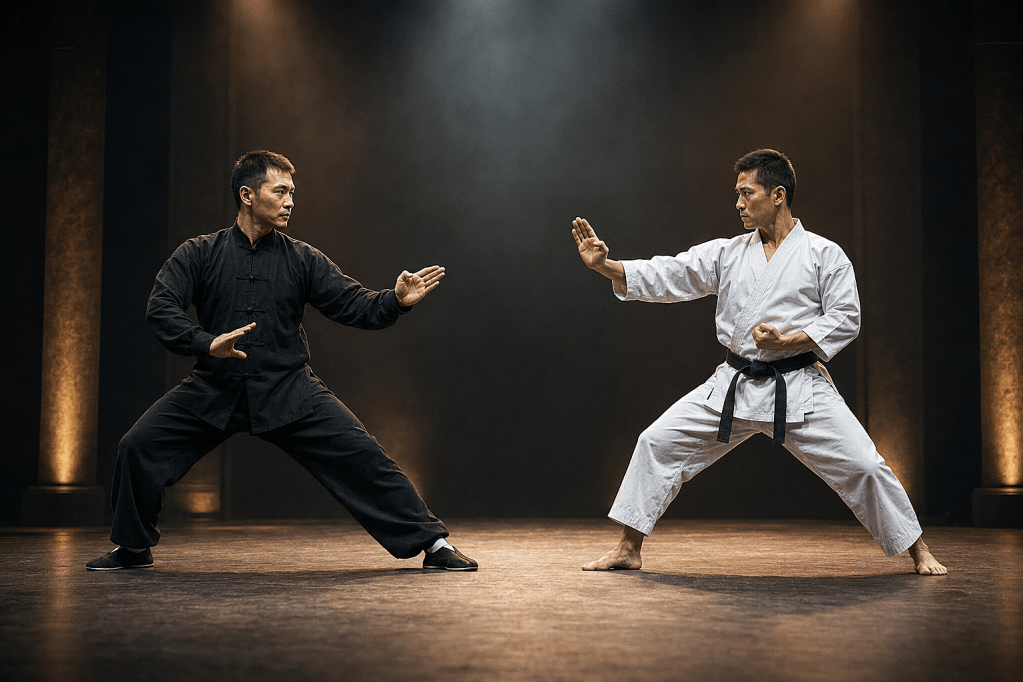
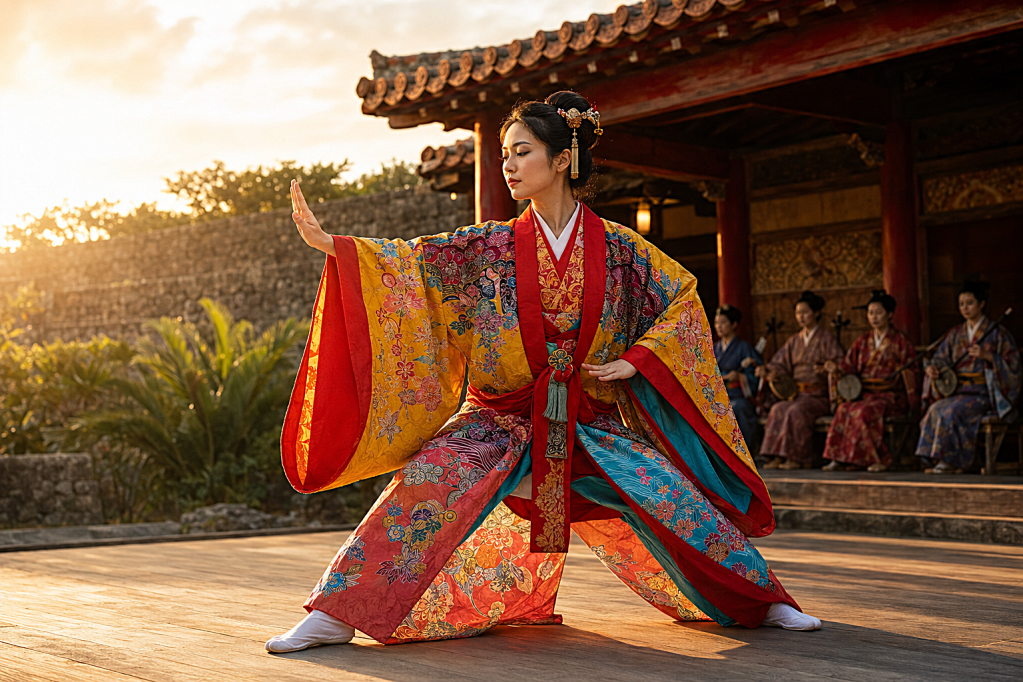
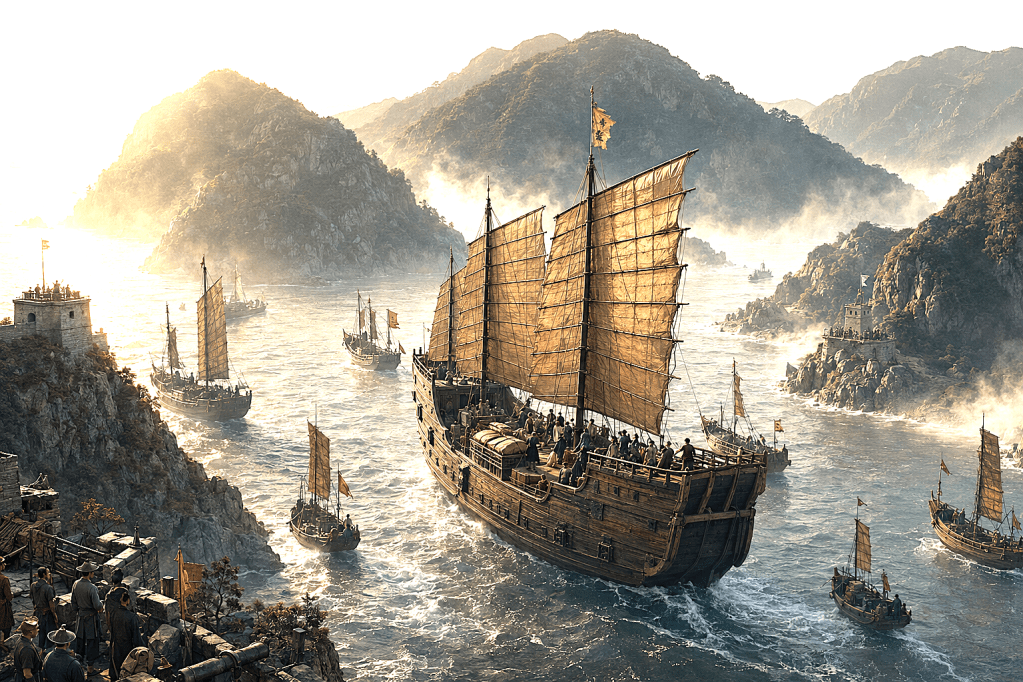
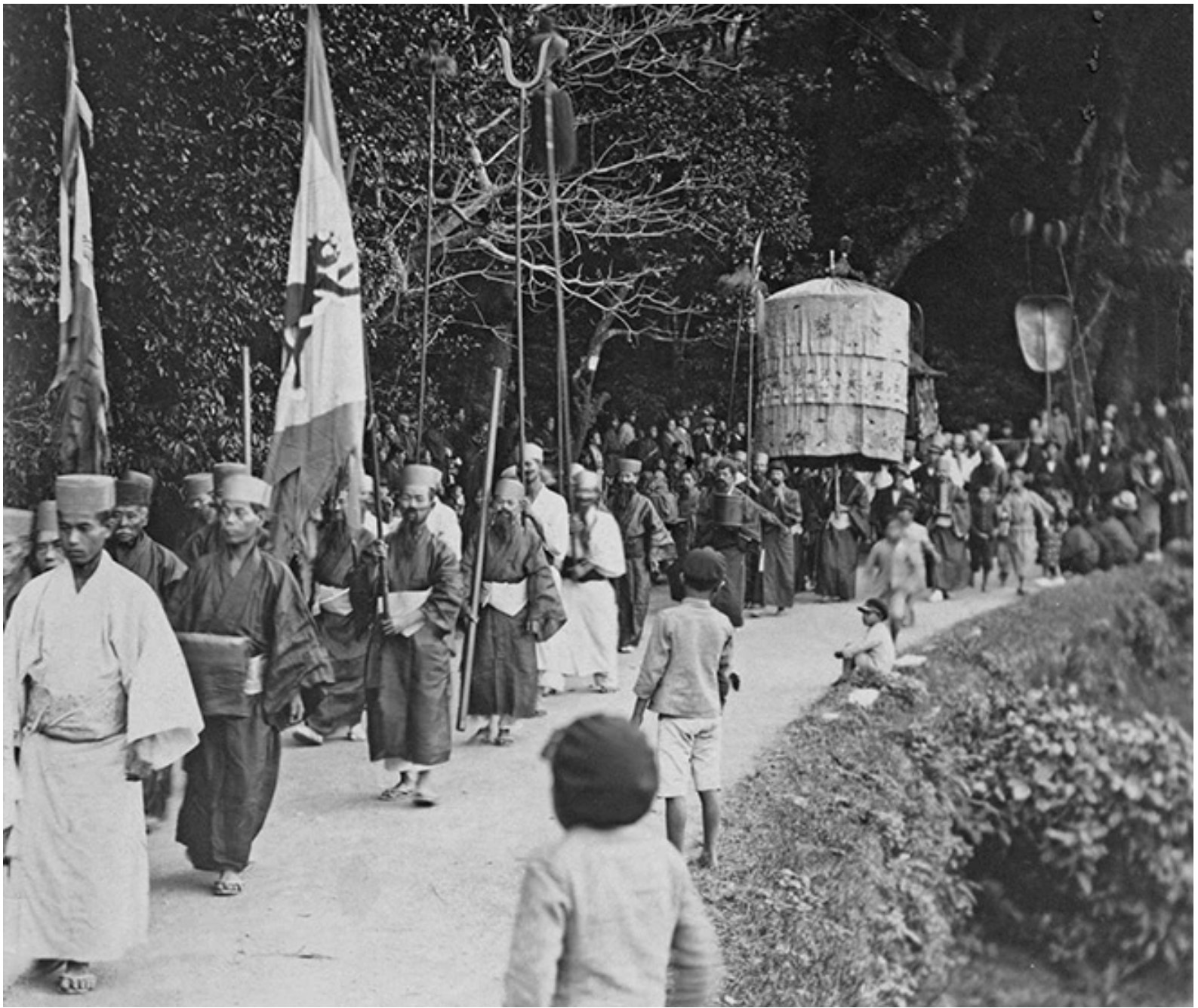
The usual origin story is satisfyingly simple. Okinawa possessed an indigenous fighting art called ti or te. Chinese boxing arrived from Fujian. The two traditions merged and became karate. That outline may contain a substantial truth, but nearly every part of it raises another question. What was ti before people began describing it retrospectively? Which Chinese arts reached Ryukyu, by what routes, and in what periods? Who actually studied in Fuzhou? Can a modern kata preserve the outline of a Chinese routine practiced two centuries ago? And how much of the story was reconstructed only after karate entered Okinawan schools and then moved to mainland Japan?
Continue reading