Op-Ed: President Obama’s Visit to Japan and the Okinawa Question

Updated 4/29/14, 5/13/14

In an editorial dated 4/29/14, the Ryukyu Shimpo pleaded with President Obama to unconditionally close the Futenma U.S. Marine Corps Air Station and return, to Japan, the land that it now occupies. The current agreement to close it is based on the condition that the base would be relocated in Henoko, in northern Okinawa. (For background on the Futenma-Henoko MCAS issue, click here.)

This issue is complex. It involves pacts between the U.S. and the Japanese government for the military defense of Japan and the surrounding region. Okinawa, where many of the U.S. bases are located, is caught in the middle, between a rock and a hard place. Okinawan government leaders, too, are damned if they do and damned if they don’t. Should they support the pacts between the U.S. and their national government, or should they bow to the mandate of the majority of Okinawan citizens who, in their desperate desire to reduce the U.S. military presence in their homeland, refuse to accept the political compromises?

The hearts and emotions of all those, in Okinawa and the world, who value peace and self-determination are with the people of Okinawa who are protesting the continuation of the massive U.S. military presence in Okinawa. The reality, however, involves much more than these ideals, with a dangerous geopolitical standoff at the epicenter.

When all is said and done, the fundamental issue is one of fair play, and the finger points to the Japanese national government as well as to the U.S. military: Why should one small prefecture in Japan carry so much of the military defense burden for the entire region?

If removal of bases is not an option in the foreseeable future, then the two powers need to move in the direction of balance, distributing the bases throughout Japan in a pattern that spreads the load fairly among the different prefectures.  Continue reading

Posted in History, Op-ed, Politics | Leave a comment

Taketomi Island: Living in Harmony with Nature

This is a wonderful 28 minute video made by a German visitor to this tiny coral atoll, which is part of the Yaeyama Islands in Okinawa. The images are beautiful, as are the people. The island is only 2 square miles, 1.7 miles by 2.1 miles. There are no hotels so overnight visitors stay in family homes with guest accommodations. The lifestyle of the islanders is a lesson in sustainability. The video was published on 8/26/13.

Posted in Culture, Travel, Video | Leave a comment

Tule Lake Relocation Center – A Personal Reflection

Updated 4/27/14

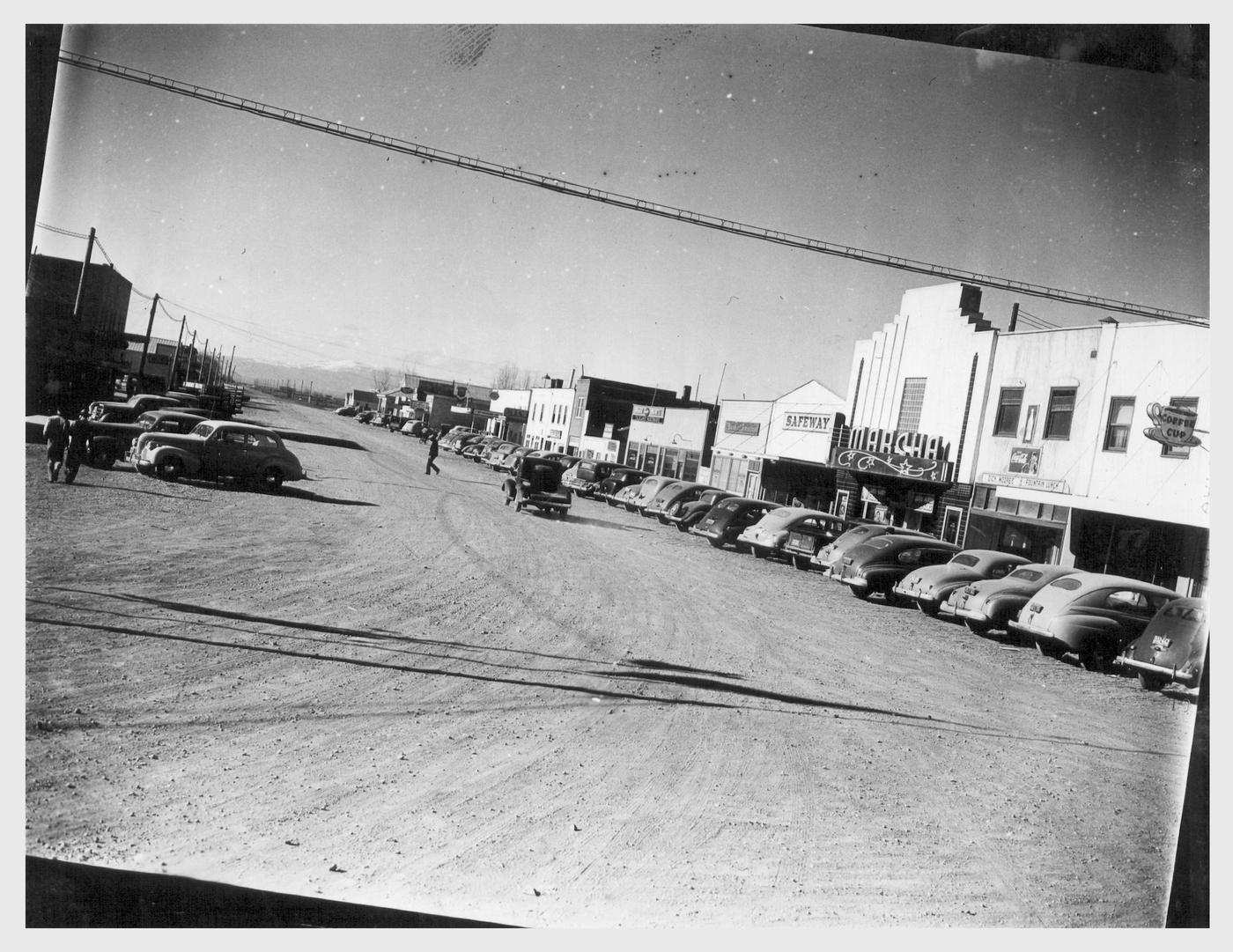
For “place of birth” in the hundreds of forms I’ve filled out since grade school, I’ve always written “Newell, California,” but I’ve never known much about the place and don’t recall anything about it. I grew up on Oahu and have lived here as far back as I can remember. As I grew older, I learned that I was actually born in the Tule Lake War Relocation Center for Japanese-Americans during World War II. Newell, apparently, was the closest town. Until I saw the black and white picture below, I had no idea what the town looked like or whether it still exists.

Newell, California. 4/23/42, Tulelake, view of a main street of this town which is located near the site selected for the construction of a War Relocation Authority center for the housing of evacuees of Japanese ancestry for the duration.

Newell, California. 4/23/42, Tulelake, view of a main street of this town which is located near the site selected for the construction of a War Relocation Authority center for the housing of evacuees of Japanese ancestry for the duration. Source.

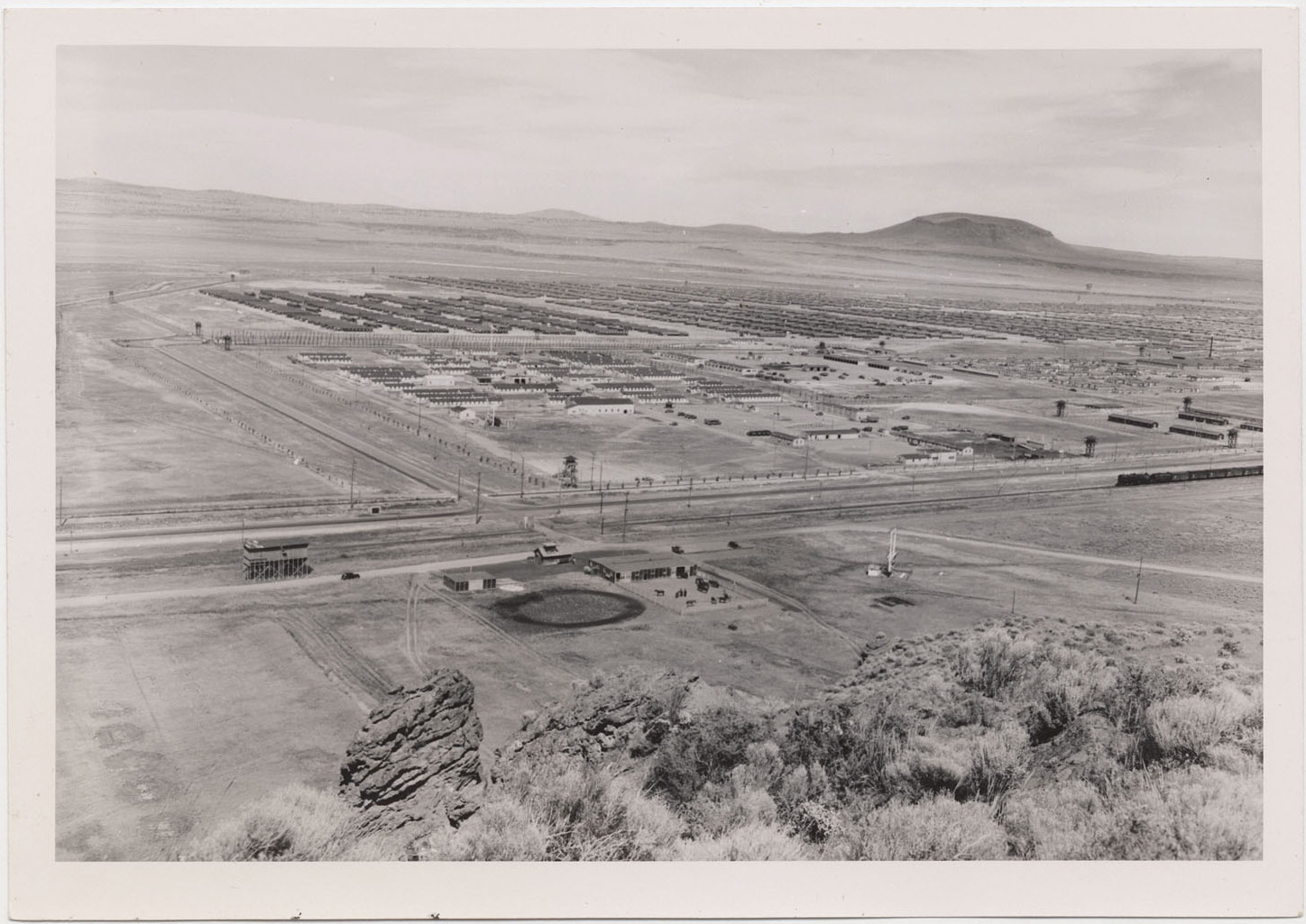
The photo below is a panoramic view of the center. It was, to put it mildly, out in nowhere. And it was huge.

Tule Lake Center, 6 July 1945. Panoramic view from the Butte west of the Center. Military Police stable area in foreground. Military Police area (center); WRA Area (right center); evacuee area (background). Note highway and railroad.

Tule Lake Center, 6 July 1945. Panoramic view from the Butte west of the Center. Military Police stable area in foreground. Military Police area (center); WRA Area (right center); evacuee area (background). Note highway and railroad. Source.

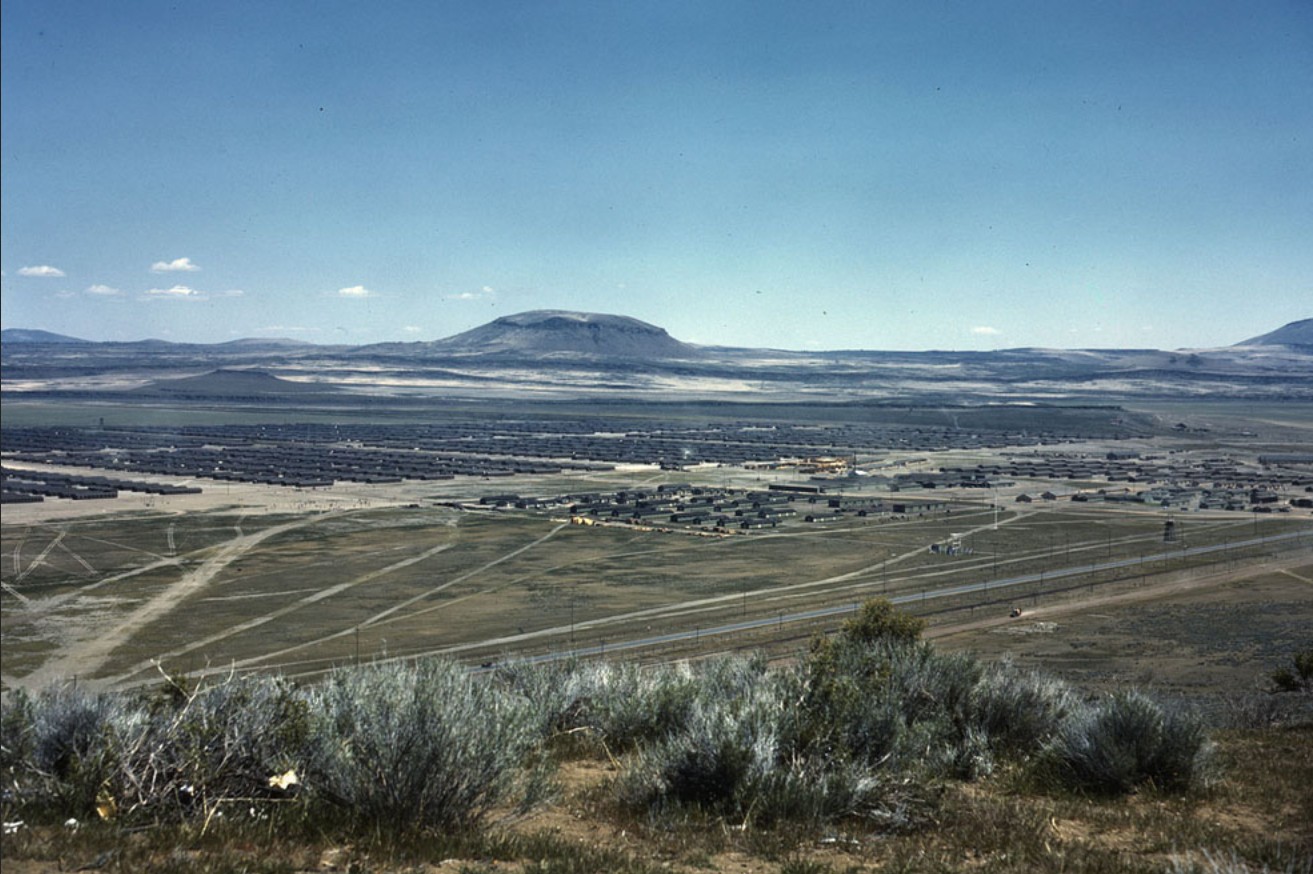
Here’s a color photo of the center during the war.

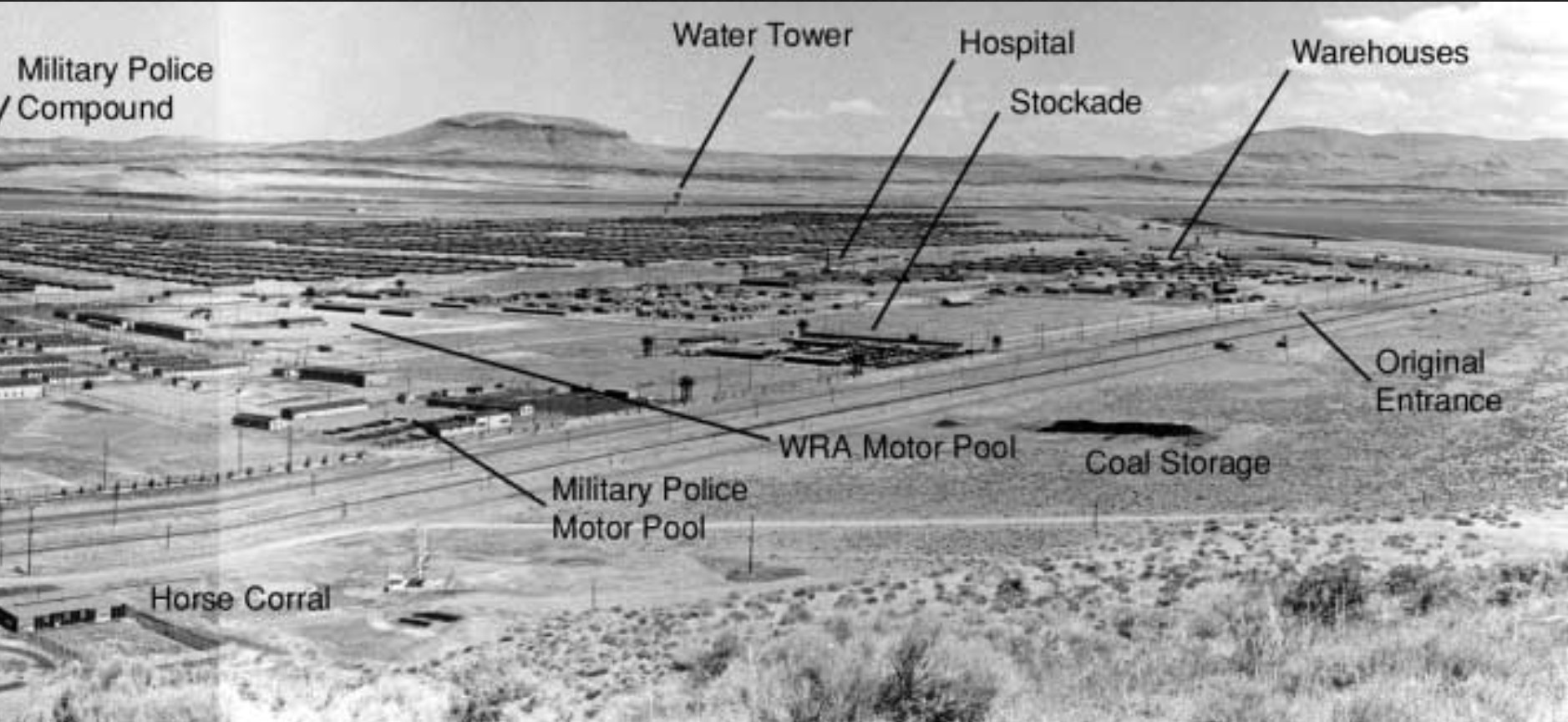
color photo of tuleFrom the following photo, I got a rough idea of the hospital where I was born.

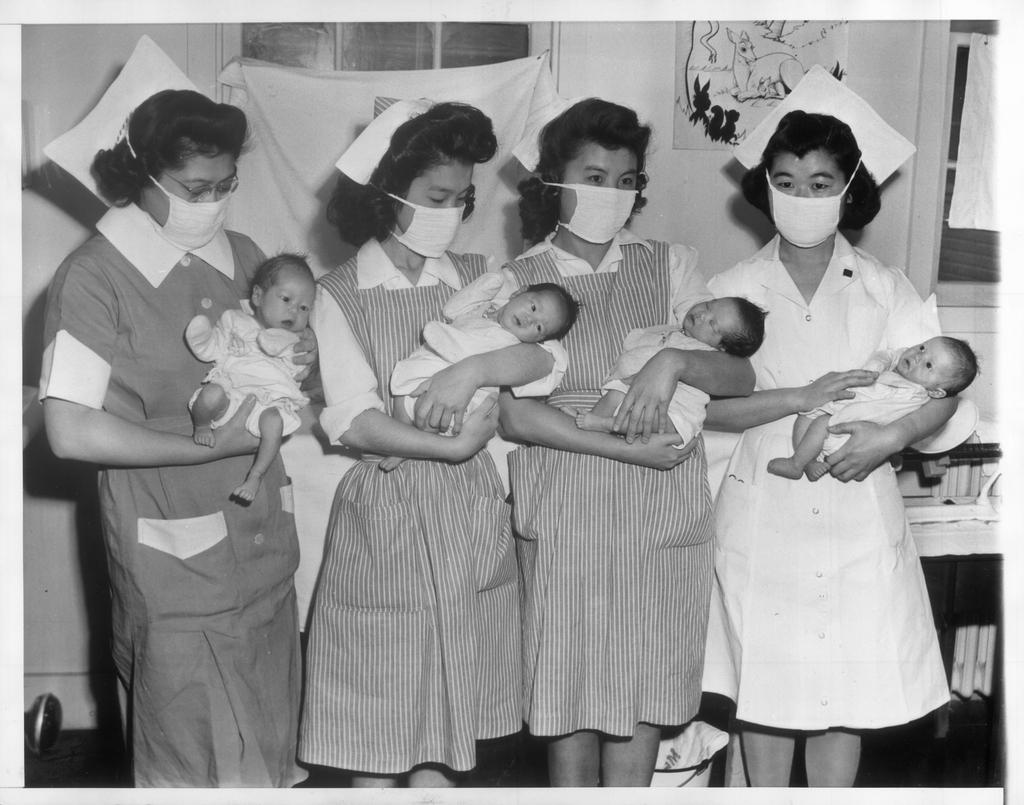
Tule HospitalIn the following two photos, we see members of the center’s hospital staff. I wonder if one or two were on the team that helped to bring me into this world in late 1944 when the Battle of the Bulge was raging on the Western Front in Europe.

Stork Visits Relocation Center -- The stork has paid frequent visits to the Tule Lake, California, Japanese relocation center since it was opened a year ago. Here are four new arrivals held by nurses (L-R) Mary Nitta, Loomis, California; Ruby Fujioki, Seattle, Wash.; Masako Nakadoi, Loomis, California, Katsumi Ogawa, Loomis, California JARDA-6-11 1943-05-21

Stork Visits Relocation Center — The stork has paid frequent visits to the Tule Lake, California, Japanese relocation center since it was opened a year ago. Here are four new arrivals held by nurses (L-R) Mary Nitta, Loomis, California; Ruby Fujioki, Seattle, Wash.; Masako Nakadoi, Loomis, California, Katsumi Ogawa, Loomis, California, JARDA-6-11, 1943-05-21. Source.

Continue reading
Posted in Culture, History, Images, Video | Leave a comment

Color Film of Shuri Castle Strafing in 1945

Updated 5/4/14

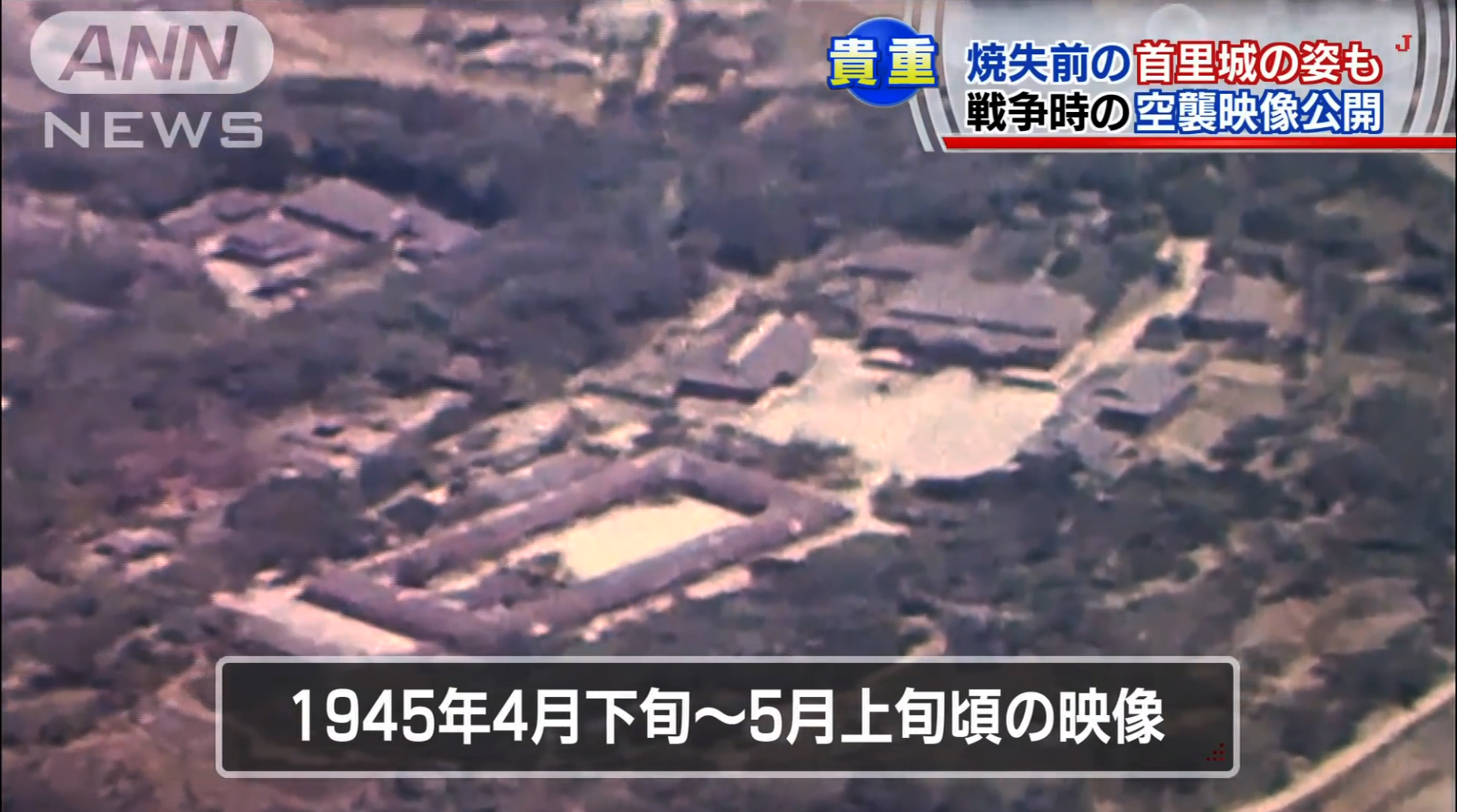
Still image captured from the newscast.

Still image captured from the newscast.

A film clip shot by a U.S. military reconnaissance aircraft during a bombing and strafing run in the Battle of Okinawa in mid-April 1945 was shown in a recent ANN newscast. The image above was captured from the newscast. Yusuke Oda, from Oita, said, “This might be the first images of Shuri Castle found in color.” These are the last images of Shuri Castle before it was destroyed. The castle we see today is a reconstruction. The clip will be shown to the public on May 10 at the 10th Aviation Corps Peace Walk in Oita Prefecture. (Source: “Color film of Shuri Castle during the war surfaces,” Japan Update: Okinawa News and More, 4/22/14)

Posted in Culture, History, Images, Media, Video | Leave a comment

An Amazing Collection of Okinawa Photos

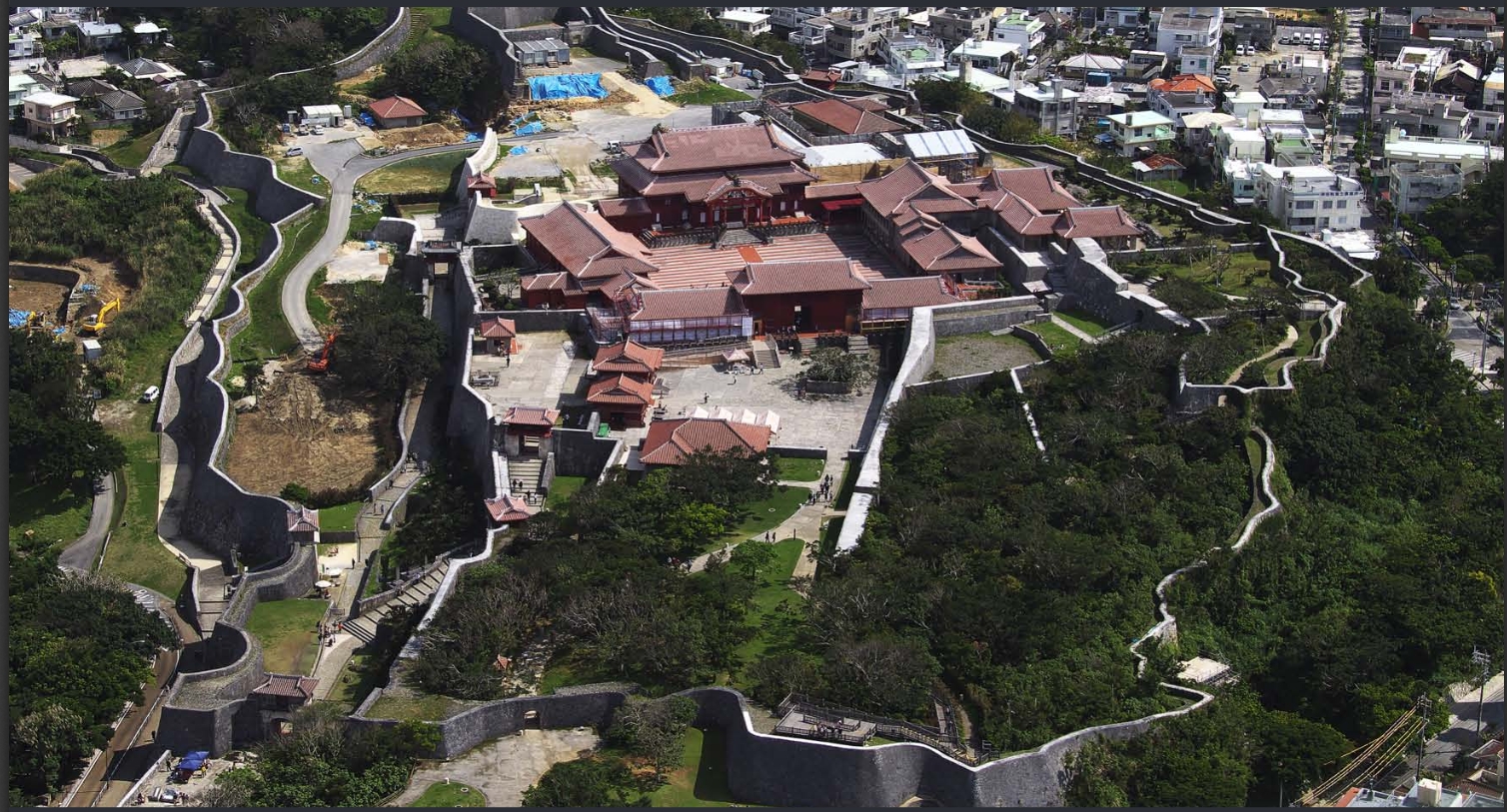
Photo of Shurijo.

Photo of Shurijo (Shuri Castle). Click image to enlarge. Click here for the complete 48-page collection of Okinawa Images from the Okinawa Convention & Visitors Bureau.

Posted in Culture, History, Images, Travel | Leave a comment

Chinese Influence in Naha – Late 14th Century

Updated 4/21/14

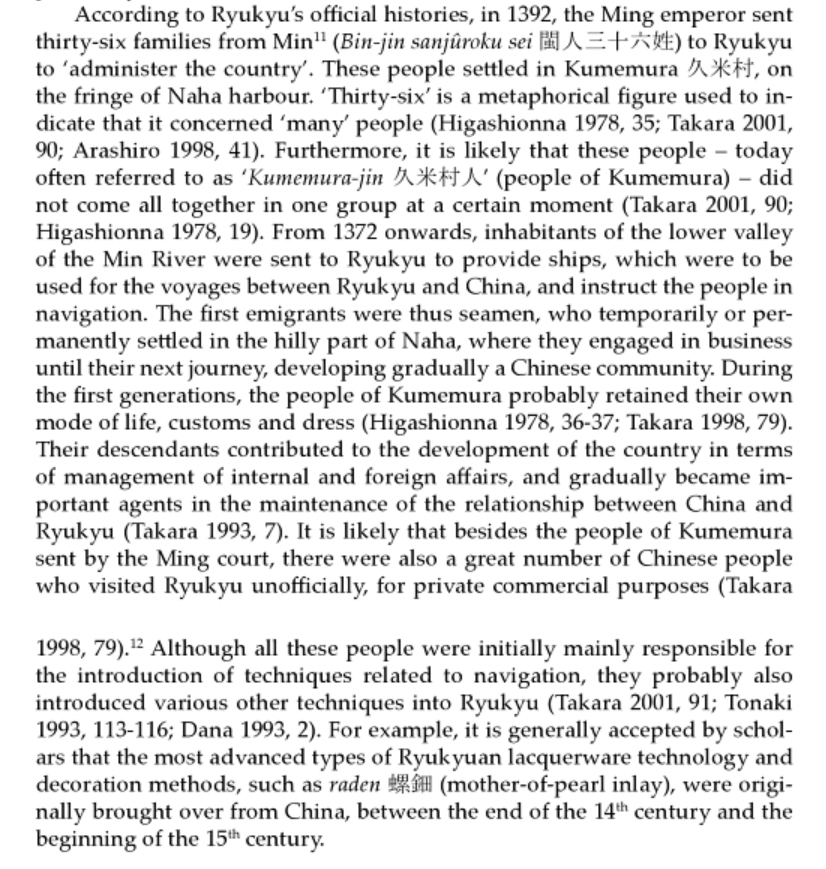
The following is an excerpt from Katrien Hendrickx’s The Origins of Banana-fibre Cloth in the Ryukyus, Japan, Leuven University Press, 2007.

From pages 39-40.

From pages 39-40. Click image to enlarge.

Posted in Culture, History, International, Technology | Leave a comment

Okinawa-Related Courses at University of Hawaii-Manoa


The following are courses that are available at the University of Hawaii at Manoa campus. Please check the class schedule to see what’s offered for the upcoming semester.

ANTH 487 Okinawa and Its Diaspora – (3 credits) Explores the ties of identity that exist within and between Okinawa and its diasporic populations. Prerequisite: 152

ASAN 320O Asian Nation Studies: Okinawa – (3 credits) Multidisciplinary examination of Okinawa; cultural, social, economic, and political lives of its people. Prerequisite: 201 and 202, or consent.

courses_2

DNCE 306 Okinawan Dance I – (1 credit) Performance and techniques at the introductory level. Prerequisite: upper division standing or consent. Explore the classical and folk dances of Okinawa, a culture that blends Chinese, Japanese, and Southeast Asian influences to create a unique, vibrant art. Students with no prior Okinawan dance experience should enroll in DNCE 306; those with some experience should enroll in DNCE 406.

DNCE 406 Okinawan Dance II – (1 credit) Performance and techniques at intermediate level. Repeatable up to eight credits. Prerequisite: 306 or consent.

HIST 423 Okinawa – (3 credits) Survey of social, cultural, economic, and political history from earliest times to present.

JPN 471 Okinawan Language and Culture I – (3 credits) The first of a series of two courses (JPN 471-472) focusing on the language, heritage, and folk culture of Okinawa. Prerequisite: JPN 302 or 308, or consent.

JPN 472 Okinawan Language and Culture II – (3 credits) The second of a series of two courses (JPN 471-472) focusing on Okinawan literature, language skills, heritage, and cultural understanding. Prerequisite: JPN 471 or consent.

mus311F

MUS 311F Okinawan Music Ensembles I – (1 credit) Performance of literature for groups of various sizes and kinds at introductory level. Repeatable unlimited times. Prerequisite: upper division standing or consent. The classical Okinawan tradition of Uta-Sanshin developed during the flourishing era of the Ryukyu Kingdom as a sovereign state. It is the major repository for Okinawan literary language today. Students will learn to play the sanshin (3-stringed lute) and to sing pieces from the Kunkunshi, the anthology of classical chamber music. Instruction includes etiquette and traditional methods of learning Okinawan performing arts.

MUS 411F Okinawan Music Ensembles II – (1 credit) Performance of literature for ensembles and performing groups of various sizes and kinds. Repeatable unlimited times. Prerequisite: 311 in same section or consent.

Posted in Culture, Dance, Education, History, Images, Instruction, Music | Leave a comment

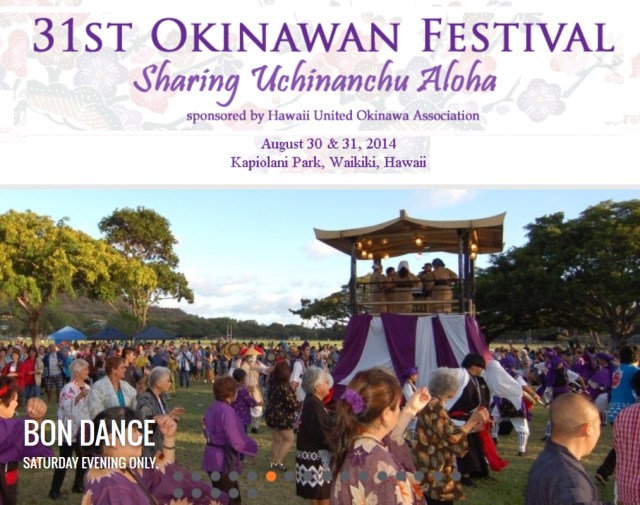
Okinawan Festival 2014 Aug 30-31


Update 8/17/14: Click here for the program. Click here for the latest flyer.

Click image to enlarge.

Error in the title. This will be the 32nd festival. Click image for more information.

Posted in Culture, Dance, Exhibit, Fair, Festival, Food, History, Music, Travel | Leave a comment

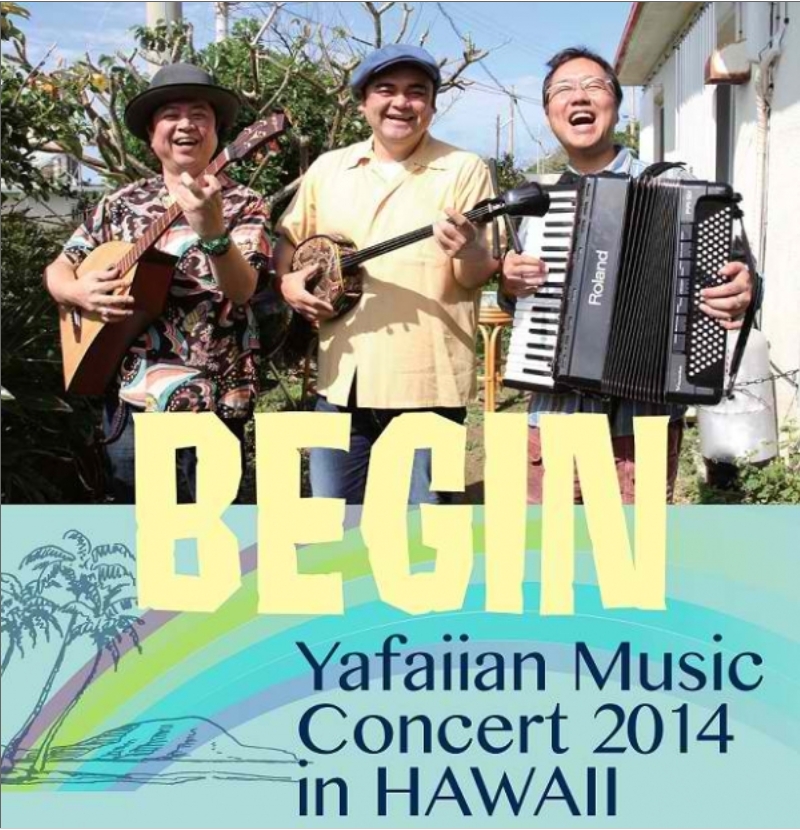
Yafaiian Music Concert 2014 in Hawaii – May 18

"Yafaiian Music Concert 2014 in Hawaii" Sunday, May 18, 2014 @ Waikiki Shell - Reserved Seats $60 - Lawn Seats $30 Please Call HUOA @ 808-676-5400 to reserve your tickets. Click image to enlarge.

“Yafaiian Music Concert 2014 in Hawaii”
Sunday, May 18, 2014 @ Waikiki Shell – Reserved Seats $60 – Lawn Seats $30
Please Call HUOA @ 808-676-5400 to reserve your tickets. Click image to enlarge.

Posted in Concert, Culture, International, Music | Tagged | Leave a comment

Okinawan-Americans in Hawaii Targeted for WWII Study

Updated 4/21/14

According to the Ryukyu Shimpo (10 Apr 2014), “the Okinawa Prefectural Government (OPG) will carry out a project to interview and collect the stories of Okinawan Americans who worked for the U.S. military during the Battle of Okinawa.” The study, which will be conducted in May and August 2014, will focus on up to 15 Nisei in Hawaii. The resulting videos will be screened in 2015 at the  Okinawa Prefectural Peace Memorial Museum before distribution. Interviews will be conducted with individuals:

  • who served in the US Military Intelligence Service (MIS) during the Battle of Okinawa
  • who declined to pledge loyalty to the United States, and were incarcerated at the Tule Lake Segregation Center
  • who returned to Okinawa at the time of the Pacific War and ended up fighting for the Japanese Imperial Army will also be interviewed

During the Battle of Okinawa, Nisei linguists in the MIS translated “Japanese Imperial Army documents and [interviewed] Japanese prisoners.” They also used Okinawan dialects to coax civilians out of caves.

Many Okinawan-Americans were placed in relocation centers during the war, and some, under interrogation, refused to go to war against Japan. They were dubbed “no-no boys” and sent to Tule Lake.

For further information re the nisei soldiers on Okinawa, see James C. McNaughton‘s Nisei Linguists: Japanese Americans in the Military Intelligence Service During World War II (U.S. Government Printing Office, 2006), pages 355-370. In this online preview, some of the pages are omitted, but enough remains to provide a reasonable background.

Photo from Nisei Linguists, p. 360.

Photo from Nisei Linguists, p. 360.

A brief but fascinating paragraph (p. 368) in the book addresses the issue of “American citizens of Japanese ancestry who had remained in [Okinawa] during the war.” McNaughton reports that the numbers were “significant.” Ironically, they had been suspected by the Japanese government of being American spies.

This subject interests me, personally, because my parents, who passed away a few years ago, were Kibei, born in the U.S. (Hawaii) but schooled, as children, in Okinawa. Fortunately, they returned to Hawaii before the war. My father’s schooling in Japan placed him on a list of dangerous aliens, and he was arrested after the Pearl Harbor attack. In early 1942, he, my mother, and my oldest sister were shipped off to a relocation center in Jerome, Arkansas. Later, when questioned about his willingness to go to war against Japan, he refused, and the family was sent to Tule Lake.

The “no-no boys” weren’t alone in their reluctance to battle against the Japanese. In fact, many who joined U.S. forces shared the same feelings. For example, Pfc. Thomas Taro Higa, earlier in the war, had ignored the MIS recruitment efforts. He says, “I think that most of us did not respond to the recruitment because we felt a certain mental agony  in engaging in interpreting activities against Japan, our grandfather’s country, even for the sake of assisting the country of our birth…. Many Nisei felt less mental agony in going to the European front and fighting against the Germans” (365).

The Okinawan-Americans who were among the civilian population in the battle also interests me because one or two of my father’s sisters had also been born in Hawaii. The family returned to Okinawa after their contract was up. Years later, just before graduating from high school, my father used his American citizenship to return to Hawaii, but the rest of the family remained in Okinawa. I always wondered about their experiences, as American citizens, during and after the war.

Posted in Culture, History, International | Leave a comment

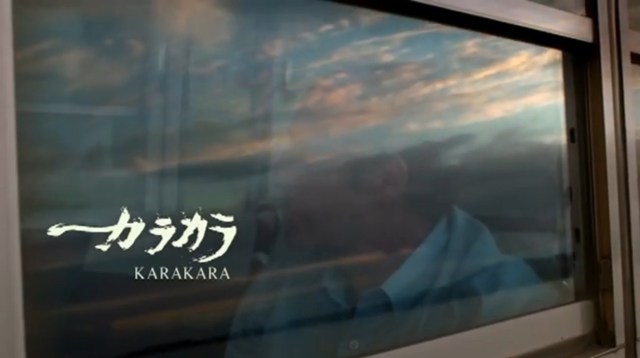
‘Karakara’ – 2012 Canada-Japan Film Set in Okinawa

Updated 5/3/14

Karakara is a joint Canada-Japan film, released on August 31, 2012. It was written and directed by Claude Gagnon and stars Gabriel Arcand, Youki Kudoh, and Megumi Tomita. At the 2012 Montréal World Film Festival, it won the Most Popular Canadian Feature Film award and the Openness to the World award, and was nominated for the Grand Prix des Amériques.

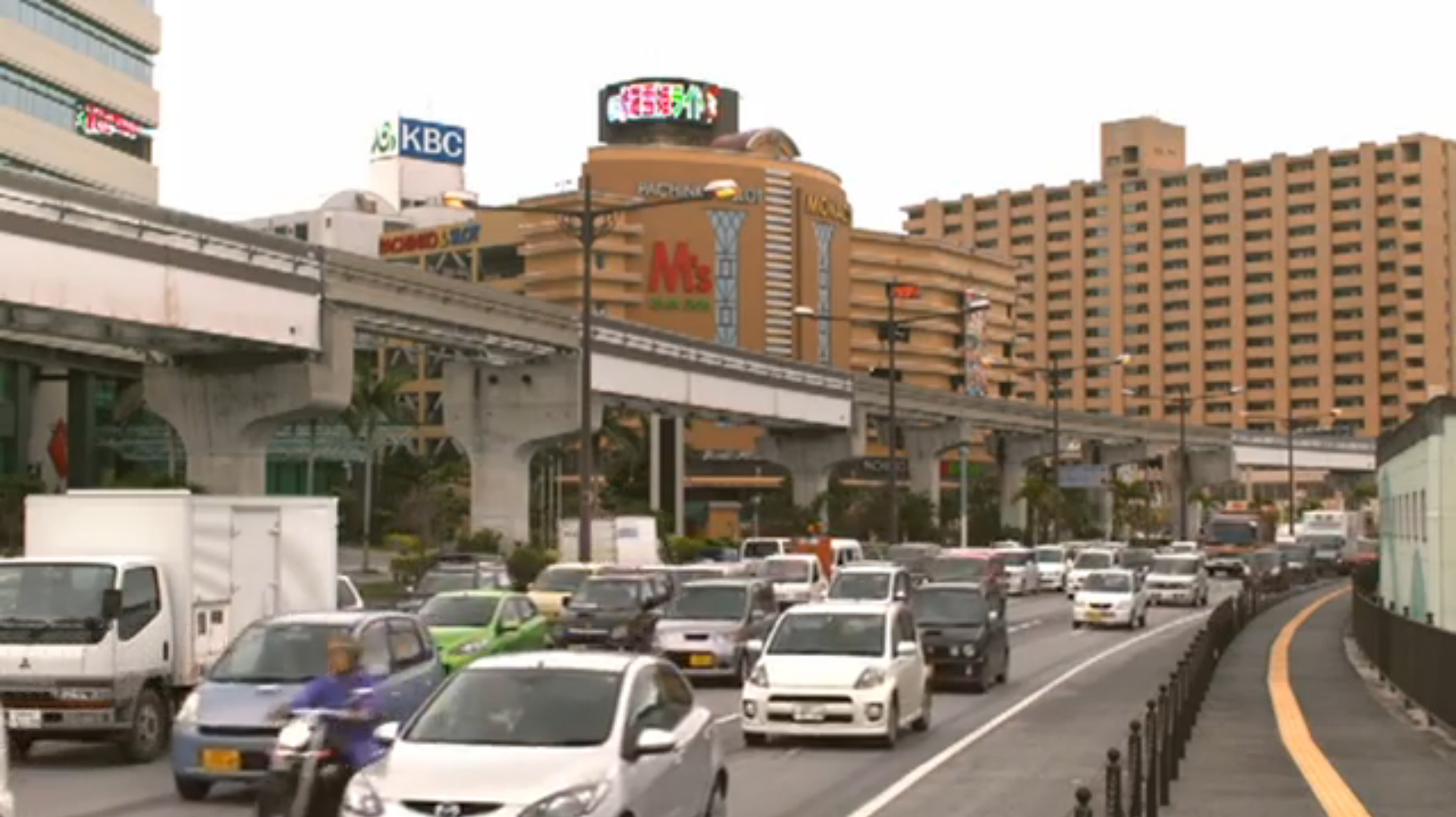
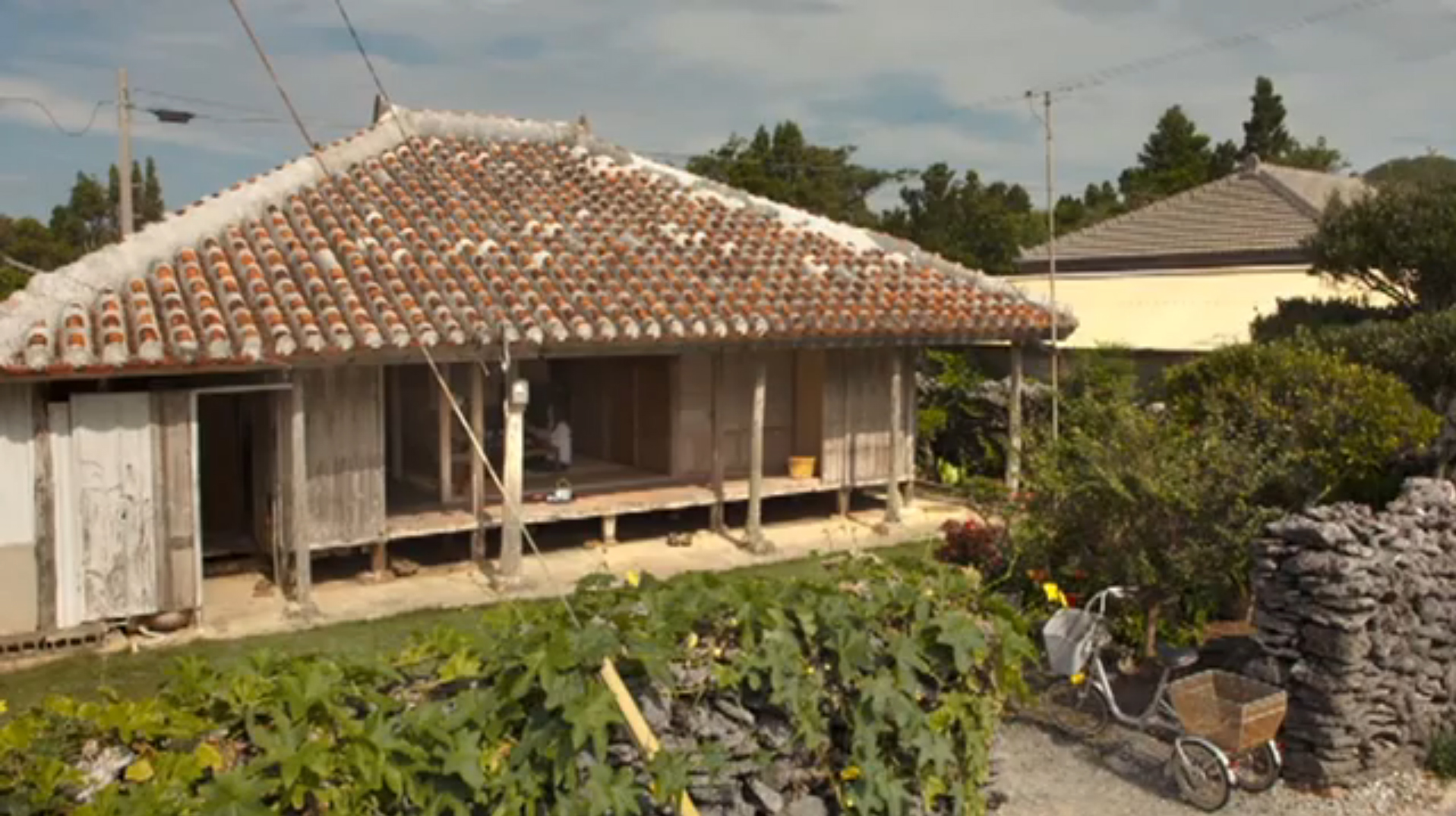
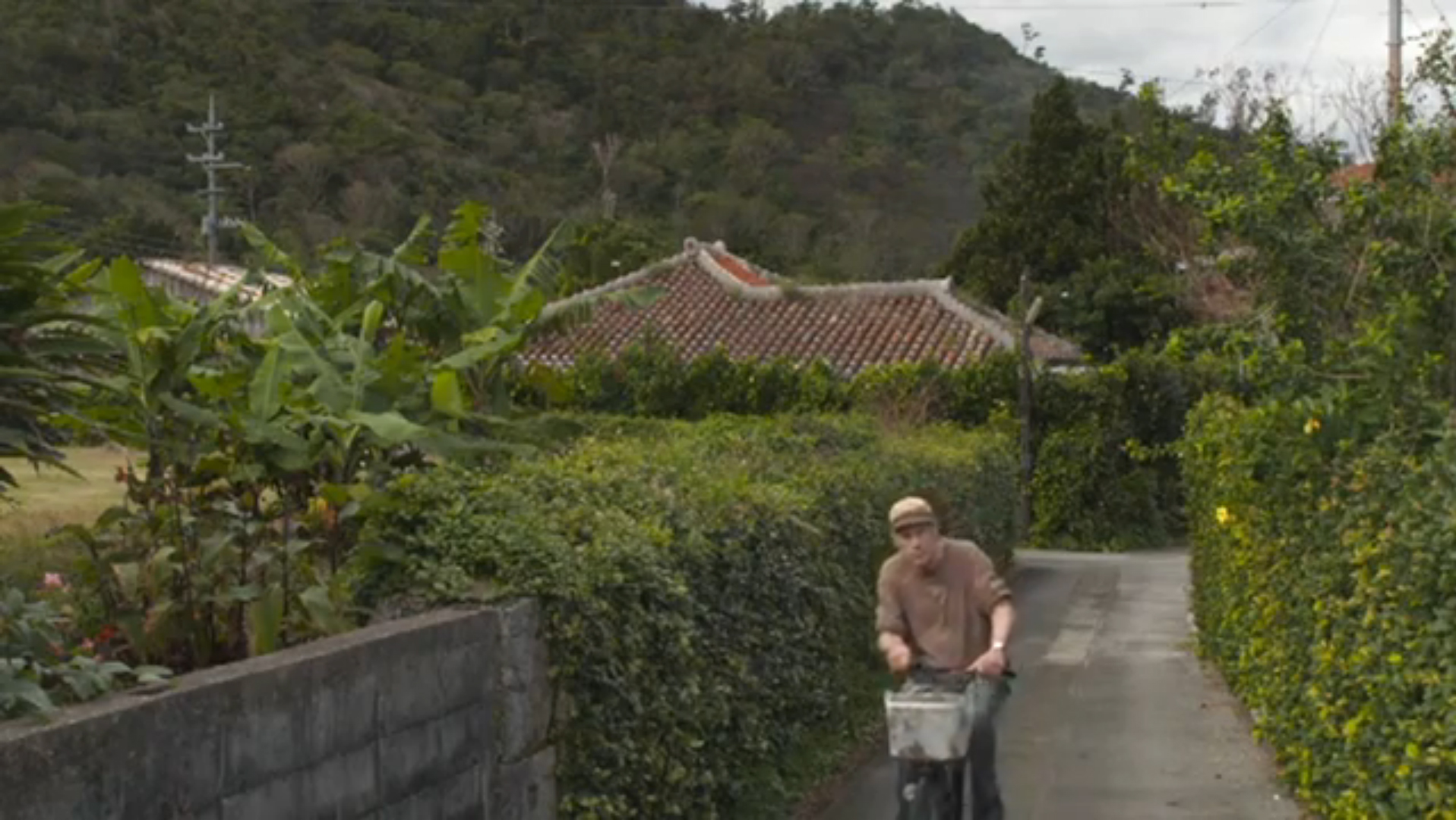
Karakara03It’s an interesting film at many different levels. Visually, it’s most effective when it takes in the quaint homes and neighborhoods on the outer islands and small restaurants and shops that cater to the locals. The segment on the garment “factory” that continues to produce a fabric made from banana tree fiber using ancient methods is fascinating. The scenes of the city, beaches, ocean, tourist and historical sites, however, are routine and uniformly uninspiring.

Island

The action and dialogues among the main actors is stiff and, for the most part, unnatural. Their development, as characters, is superficial and left me wanting. Despite these drawbacks, though, I couldn’t help but like them. Arcand is sympathetic, Kudoh is full of life, and Tomita is caring. In all three, there’s a warmth that transcends the film.

Karakara04Arcand’s ennui doesn’t quite make it, Kudoh’s problems with her family life is less than believable, and the chemistry that supposedly drives their affair is lukewarm.

The other themes — the military presence on Okinawa, the spiritual nature of the place, the people, and their practices, the regenerative power of all three for people (like Arcand’s character) suffering from a sense of emptiness (symbolized by the karakara sound of an empty Okinawan wine server; kara means empty in Japanese) — also don’t quite make it in the film.

Still, despite the unevenness of the parts and the lack of integration in the whole,  the 1 hour 41 minute film seems to move quickly and managed to hold my interest and attention throughout. Maybe it’s the almost casual approach to character development and plot that makes the film endearing, giving the whole a home-movie look and feel starring some of your closest friends.

Perhaps less reliance on dialogue to build the backstories and simply leaving the viewer to fill in the missing background via visual cues from the camera or silence in response to questions embedded in the dialogue would’ve created more depth. In this sense, I can’t help but wonder how a Japanese director might’ve interpreted this same script, with their usual heavy reliance on visual imagery and silences to convey the forces at play in characters.

If you’re interested in Okinawa or international film collaborations, Karakara is worth watching. It underscores the difficulty of creating a film that captures the interaction of two very different cultures in a way that’s natural, realistic, and profound. Most of these efforts are less than successful, resulting in one-dimensional fragments that don’t quite gel.

Posted in Actor/Actress, Culture, Film, Images, International, Review, Travel | Leave a comment

Miss International 2012 Contestants Visit an Okinawa High School


The following HD (1280×720) video was uploaded to YouTube by missinterokinawa on 10/15/12. The central focus is the Miss International contestants, but just as if not more fascinating is the glimpse at Okinawa’s high school students.

Note appended to the video: “Okinawa is known in the world first and foremost for this martial art which roots come from the traditional culture of this very island. It was therefore a must for the contestants to start to learn Karate here. Okinawa Shogaku High school has invited Miss International to attend a big karate class with the Okinawa Prefectural Karate-do Association Masters. It was indeed an unforgettable experience for these ladies coming from all over the world.”

Posted in Culture, Education, Images, International, Karate, Video | Leave a comment

Takuya Uemura: All-Japan High School Kata Champion 2010


The following video was uploaded to YouTube by TheOKINAWATIMES on 8/10/10. Uemura’s spirit and concentration is phenomenal.

“At ‘Churasima-sotai,’ All Japan High School Athletic Meeting in Okinawa, 2010, Takuya Uemura [Konan High School] won the 1st prize for male Karate performance! He said he wanted to get this prize since he was a little boy” (Okinawabbtv.com, 8/27/10).

Posted in Culture, Karate, Sports, Video | Leave a comment

Miss Universe Japan 2014 Originally from Okinawa: Karate Champion in High School

Last updated 10/31/14

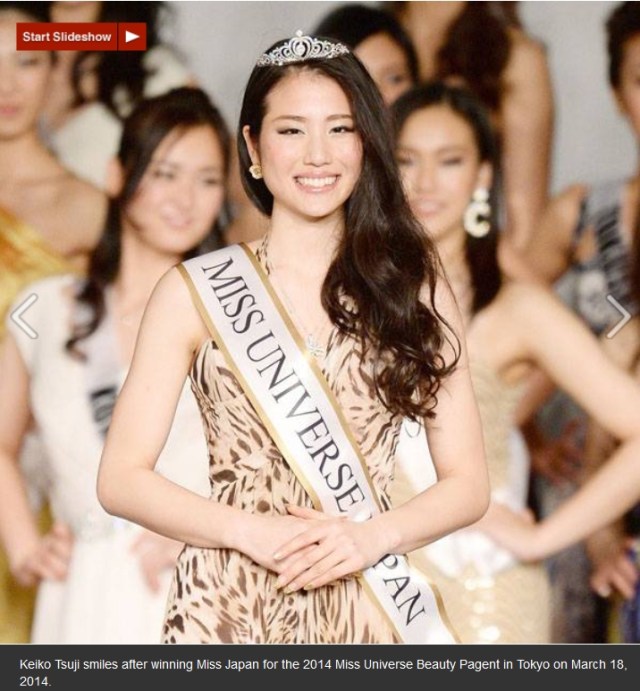
Keiko Tsuji crowned Miss Universe Japan 2014 on 3/18/14.

Keiko Tsuji crowned Miss Universe Japan 2014 on 3/18/14. Source: Times of India.

Keiko Tsuji

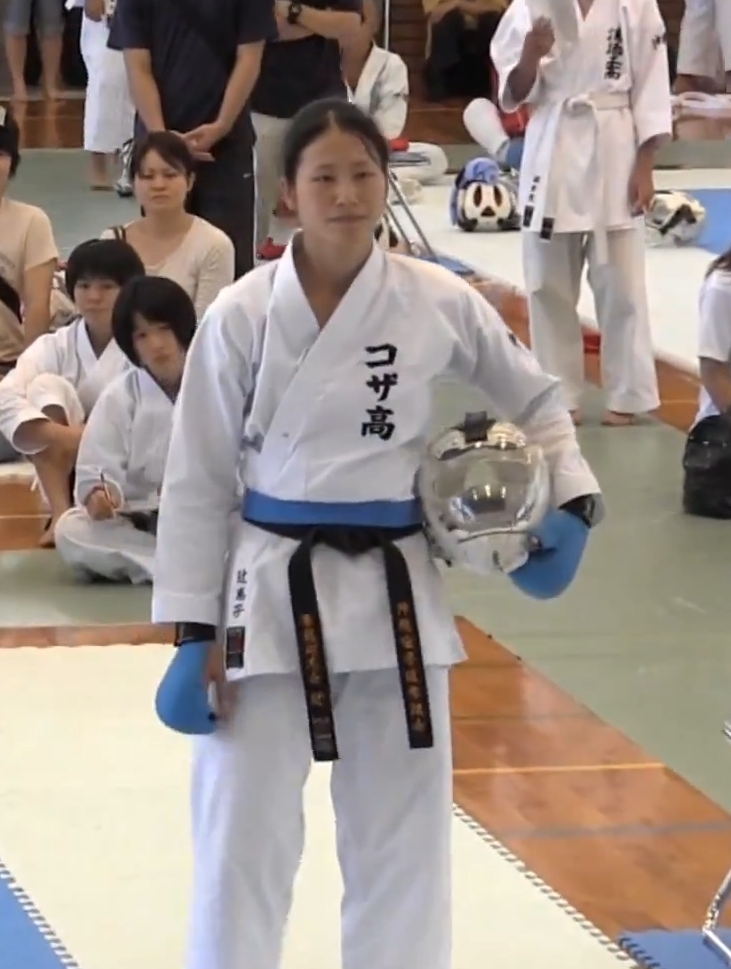
Keiko Tsuji, first place kumite, Okinawa High School Sports Competition, 30 May 2011.


Okinawa High School Sports Competition 30 May 2011, the final of karate do individual kumite, female. First Place Winner: Keiko Tsuji (Koza Highschool, Okinawa City). Second Place Winner: Erika Spina (Koza Highschool, Okinawa City). At Naha International High School gymnasium, Naha City, Okinawa. (Uploaded to YouTube by visitokinawajapan on 5/30/11.)

In the video below, Tsuji competes in kata. She appears in the first segment.

Miss Universe Japan 2014, streamed live on 3/18/14.

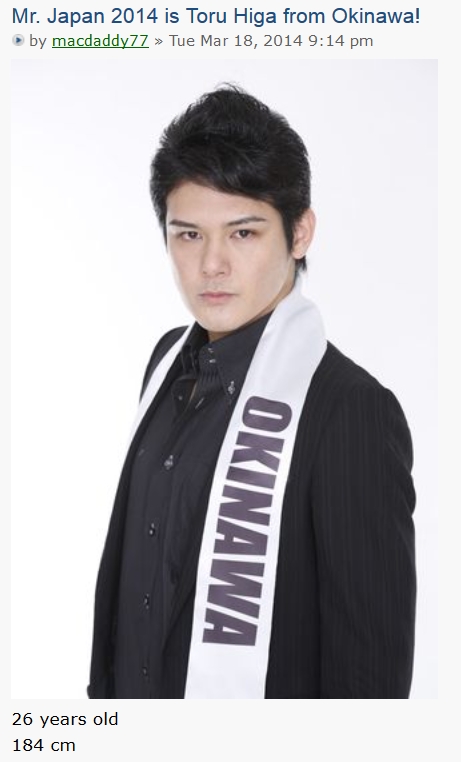
Update 3/22/14: On the same day, 3/18/14, Toru Higa from Okinawa won the Mr. Japan 2014 title.

Toru Higa from Okinawa is Mr. Japan 2014.

Toru Higa from Okinawa is Mr. Japan 2014. Source Sashfactor, 3/18/14.

Source: Japan Update: Okinawa, 3/19/14.

Update 10/31/14: “Okinawan Keiko Tsuji crowned Miss Japan, aiming for Miss Universe,” Ryukyu Shimpo, 10/24/14.

Posted in Culture, International, Karate, Video | 2 Comments

London Okinawa Day 2014

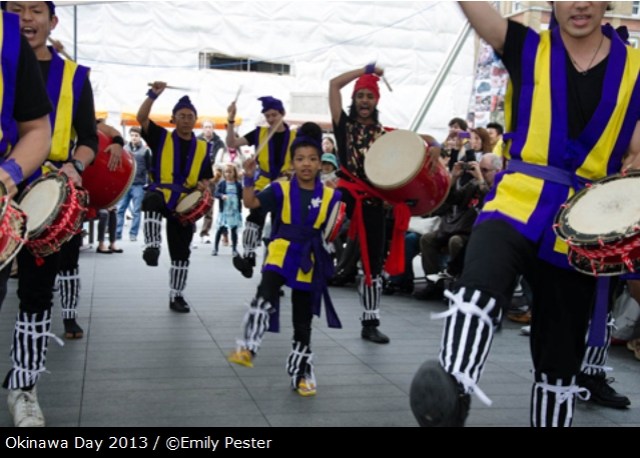
Okinawa Day 2014 in Spitalfields, London, 6/21/14. Okinawan Classical & Folk Music, Eisa Dancing, Exhibitions, Food & Drink, Craft Stalls, Karate demonstrations.

Okinawa Day 2014 in Spitalfields, London, 6/21/14. Okinawan Classical & Folk Music, Eisa Dancing, Exhibitions, Food & Drink, Craft Stalls, Karate demonstrations.

Posted in Culture, Fair, History, Images, International, Karate, Music, Travel | Leave a comment

Doll Festival: Parade in Traditional Ryukyuan Costume

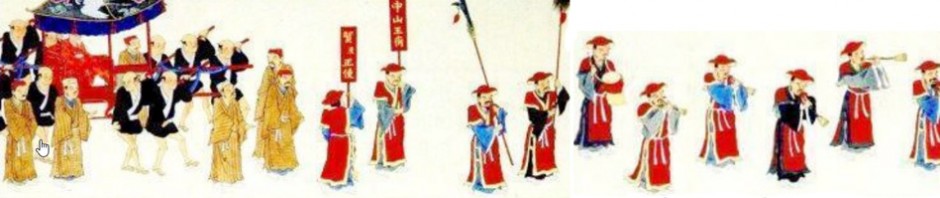
“For the Doll’s Festival, people dressed in traditional Ryukyuan costume walked through the streets in a michijune parade in the First Commercial Avenue in Okinawa City on March 1″ (Ryukyu Shimpo, 3/2/14).

“Okinawa (沖縄市 Okinawa-shi?, Okinawan: Uchinaa) is the second-largest city in Okinawa Prefecture, Japan, following Naha, the capital city.[1] It is located in the central part of the island of Okinawa, about 20 kilometres (12 mi) north of Naha” (Wikipedia).

Posted in Culture, Festival, History, Images, Travel | 2 Comments

‘Okinawa Hai’ Blog – All About Okinawa in English

Okinawa Hai blog was started by Meredith Novario. Here’s a brief excerpt from their about page:

This is a blog for all of you in or on your way to Okinawa, Japan.  Most of us are connected, in some capacity, to the United States military, though this website has no legal affiliation with such.  Because of this, we are short-term guests of the island. It is our aim to connect you with the people, places, and opportunities that allow you to embrace your best Okinawan life. This blog is for all of us here, by all of us here. I write, you write, he writes, and she writes. It is a community of folks in the same boat helping each other out.

The header for Okinawa Hai - click it to go to the site.

The header for Okinawa Hai – click it to go to the site.

They welcome submissions that meet their requirements: submission page.

One of the stories that caught my attention is Heather Olsen’s “Makiminato Terabu Cave & Shrine” (1/3/14). She provides photos, directions on how to get there, and a brief history. The Makiminato Terabu Cave and Shrine is “in Urasoe, right next to a Pachinko and across the street from Arin Krin.” Here’s the story:

During the twelfth century, a Japanese samurai, Minamoto-no-Tametomo, was banished to an island called Izo Oshima and later washed ashore onto Okinawa. He married and had a son. Minatomo planned to return to mainland Japan with his wife and child, but was unable to leave with them. He set out on the voyage by himself, promising to return. The wife and child lived in a cave, called Terabu, as they waited for him to return.

The story has a sad yet heroic end:

The cave was located on a cliff near the ocean. His wife would often go to the edge of the cliff and watch the ocean for the return of her husband. He never would return.

The son’s name was Shunten, and it is believed that Shunten was the first king to unite the Ryukyu kingdom.

This site is invaluable for English speakers interested in Okinawa.

Posted in Culture, International, Publication, Travel | Leave a comment

Matt Gillan: ‘Imagining Okinawa: Japanese Pop Musicians and Okinawan Music’


Excerpts from Matt Gillan’s “Imagining Okinawa: Japanese Pop Musicians and Okinawan Music,” Perfect Beat, Equinox, 2009. Gillan is an art and music faculty member at International Christian University, Tokyo.

In addition to Okinawan popular music being used to construct Okinawan identities in contrast to Japan, the music is also used by mainland Japanese audiences as a way of negotiating Okinawa’s cultural position within Japan. (194)

The use of Okinawan music by mainland musicians has been accompanied by a vigorous discourse concerning issues of appropriateness, authenticity, and cultural meaning. (193)

The Boom’s ‘Okinawan’ songs ‘Hyakuman tsubu no namida’, ‘Shimauta, i anbe’, and ‘Okinawa ni furu yuki’, as well as both ‘Nachikasanu koiuta’ and ‘Heiwa no ryuka’, all use a predominantly Okinawan scale in the vocal melody. (189)

This idea of Okinawan music as a ‘primitive cultural other’ within the Japanese cultural sphere is one which crops up again and again in discourse surrounding Okinawa. (189)

The use of anti-war imagery in such a large proportion of the (relatively small number of) ‘Okinawan’ songs by mainland Japanese musicians underlines the cultural position of Okinawa within the Japanese nation as an anti-war symbol.” (187)

__________
See “Response #8: Re-emergence of Okinawa and the Transformation of Identity” in Sarabitarafan, 4/24/12.

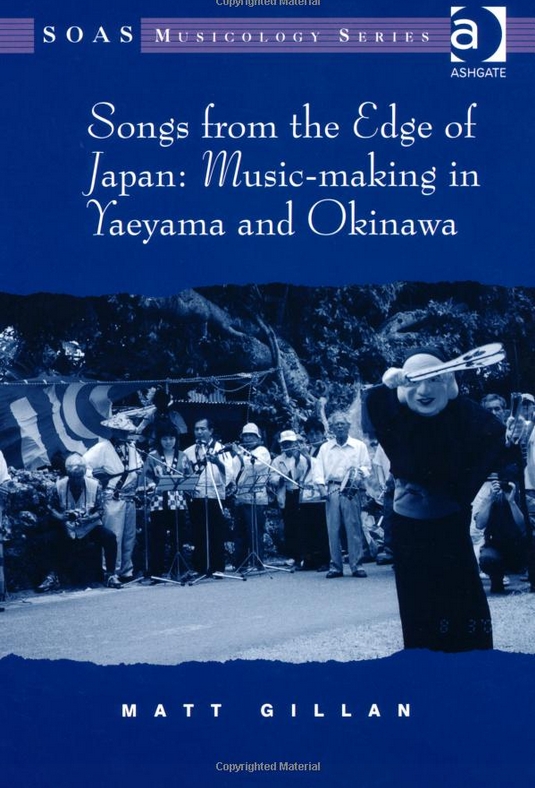
See Matt Gillan’s Songs from the Edge of Japan: Music-making in Yaeyama and Okinawa, Ashgate, 2012. Also see PowerOfOkinawa’s brief review, 4/17/12.

Matt Gillan 2012

Posted in Culture, International, Music | Leave a comment

Ryukyu Underground – Okinawan Fusion Duo Jon Taylor & Keith Gordon


The following are excerpts from Stephen Mansfield’s “Putting Down Roots with Ryukyu Underground” (Japan Times, 11/22/13).

Ryukyu Underground

Ryukyu Underground with shimauta vocalist Mika Uchizato. Photo from the Ryukyu Underground website.

The Englishman, who hails from Newcastle in the northeast, met his future wife, an uchinanchu, or Okinawan, while backpacking in Australia. He confesses to have never heard of Okinawa at the time. The absence of preconceptions may have helped Gordon form fresh, unbiased impressions of a part of the world that would become his permanent home.

Gordon arrived in Okinawa in 1994. “When I stepped off the plane in Naha, I felt this was more like Southeast Asia. The sub-tropical weather, flora, food, cultural identity and attitudes are quite different here to mainland Japan. They have an expression, “teige,” which means something like “take it easy, don’t worry. A lot of Japanese, and not a few foreigners, come down here to resettle. It’s not the money they’re after but the lifestyle.”

As Gordon discovered, living in Okinawa requires coexisting with a rich and demanding spirit world, and paying heed to the principles of geomancy, which require, among other things, that buildings be arranged in positions conducive to favorable energy flows.

A synthesis of dub, house, hip-hop, indie, techno and world music sounds that include Indian, Arabic and Afro-beat rhythms, their work remains essentially Okinawan in its understanding and respect for the music and culture of the islands. This view is corroborated by music writer John Potter in his groundbreaking book on the music of the islands, “The Power of Okinawa,” when he wrote that, despite their experiments being embraced by other groups, “it is Ryukyu Underground who have more closely followed an Okinawan roots path.”

“After we’ve collected the songs, we bring in Okinawan musicians like Mika Uchizato and Yonaharu Toru to work with. Jon comes to Okinawa to spend four or five days with us in the studio, then we transfer and exchange files over the Net. Songs often evolve into two or three versions.” At the end of the process, everything is mixed in Los Angeles.

Musical collaborations in Okinawa are nothing new. American guitarists Bob Brozman and Ry Cooder have made albums with Okinawan musicians, and pianist Geoffrey Keezer has recorded with Yasukatsu Oshima, to name just a couple of examples.

Gordon’s daughter attends the village elementary school, where she has picked up all the local language traits and is perfectly assimilated into indigenous music and dance.

“To all intents and purposes, my daughter is Okinawan,” Gordon asserts.

With his family and interests here, Gordon looks set to put down roots on the island. As if to confirm the impression, he adds, “It’s my spiritual home.”

Click here to read the full article.

__________
Wikipedia: Ryukyu Underground, 11/22/13.
Mika Uchizato, Japan Nite 10th Anniversary, SXSW, March 2006.
John Potter, The Power of Okinawa: Roots Music from the Ryukyus, 2010.

Posted in Culture, International, Music | Leave a comment

‘Relocation Arkansas: Preview’


Click to see the preview for this film.

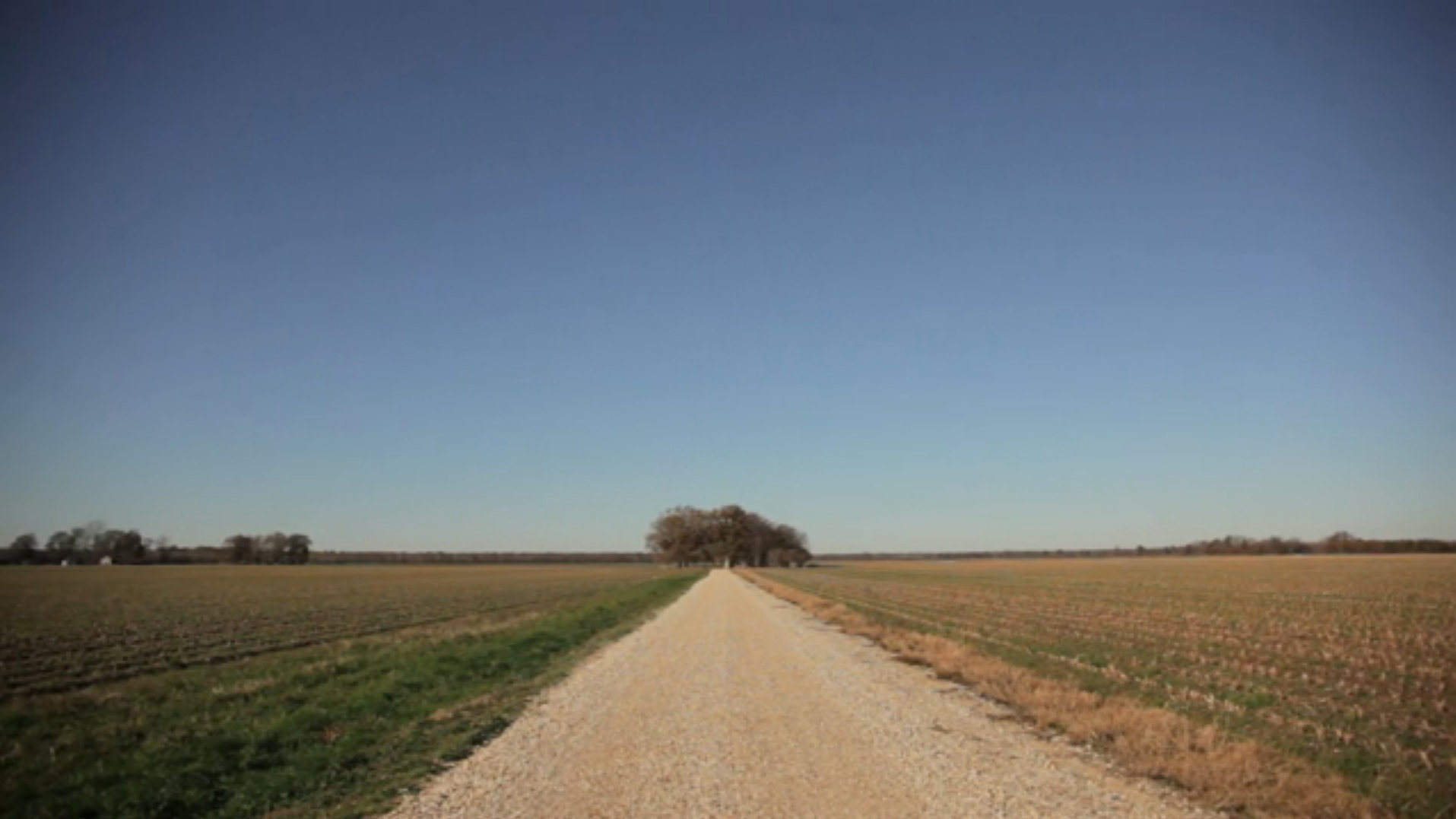
Few in the U.S. are aware of the Rohwer and Jerome, Arkansas, WWII relocation centers for Japanese-Americans. The wooden barracks are no longer standing, and in their place are croplands. “Relocation Arkansas” is a documentary film about these centers. Click the image above to see the preview for this film.

Rohwer Relocation Center during WWII.

Rohwer, Arkansas, WWII relocation center.

The same area today.

The same area today.

Jerome, Arkansas, WWII relocation center.

Japanese-Americans with roots in Okinawa Prefecture were also imprisoned here. My parents and older sister were sent to the Jerome, Arkansas, WWII relocation center. Much thanks to my brother-in-law, Phil, for sending me the URL for this preview.

Posted in Uncategorized | Leave a comment

‘Shima Uta’: One of the Best Known Okinawan Songs

Last updated 5/21/17 9:42am

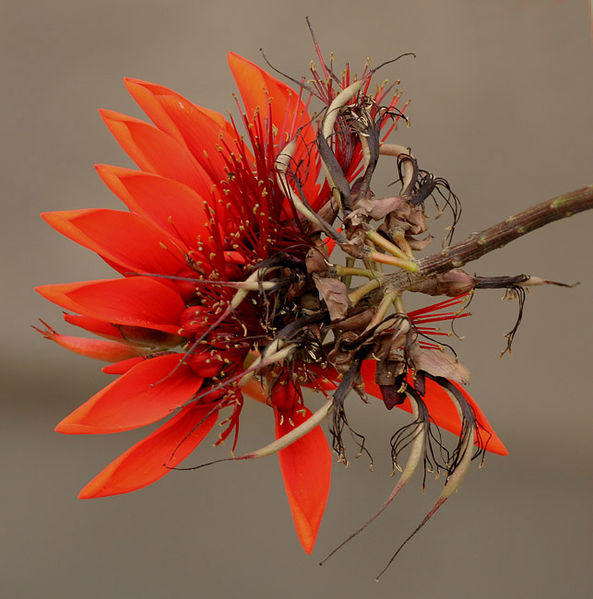
Shima Uta” (“島唄” or “Island Song” released in 1993) was written by Kazufumi Miyazawa (宮沢和史), the lead singer of the band The Boom, based on his impressions from visiting Okinawa for a photo shoot in 1992. “Shima uta” is also used as a generic term for traditional Ryukyu islands folk songs. See the Romaji and English lyrics below as well as Greg Irwin’s English cover. At the literal level, this song is about the deigo or deegu, the official flower of Okinawa prefecture.

Deigo, the official flower of Okinawa Prefecture.

Deigo, the official flower of Okinawa prefecture.

Natsukawa Rimi‘s (夏川りみ) version:

Continue reading

Posted in Music, Video | 5 Comments

‘Karate in the Ryukyu Kingdom, Okinawa Prefecture, and Hawaii’ with Pat Nakata and Charles C. Goodin


“Karate in the Ryukyu Kingdom, Okinawa Prefecture, and Hawaii: How Is Okinawan Culture Spread Through Karate?”1 is a video from a 9 Feb. 2012 presentation by Sensei Pat Nakata2, Okinawa Shorin-Ryu Karate Association (Chibana Shorin-Ryu), and Charles C. Goodin, president, Hawaii Karate Museum and Hawaii Karate Seinenkai, and chief instructor, Hikari Dojo. It was sponsored by the Center for Okinawan Studies, University of Hawaii.

Part 1: Karate in the Ryukyu Kingdom and Hawaii

Part 2: Karate in the Ryukyu Kingdom and Hawaii

Part 3: Karate in the Ryukyu Kingdom and Hawaii

Part 4: Karate in the Ryukyu Kingdom and Hawaii

Part 5: Karate in the Ryukyu Kingdom and Hawaii

__________
1 See the excellent summary by Michael Schoonover, “Karate Then and Now – Lecture by Charles Goodin and Sensei Pat Nakata,” Okinawan at Heart, 2.13.13.
2 Sensei Pat Nakata passed away on 7 Feb. 2013 (Goodin, 2.15.13).

Posted in History, Karate, Video | Leave a comment

A Haunting Image from the Battle of Okinawa

Last updated 10/9/14, 8/13/15

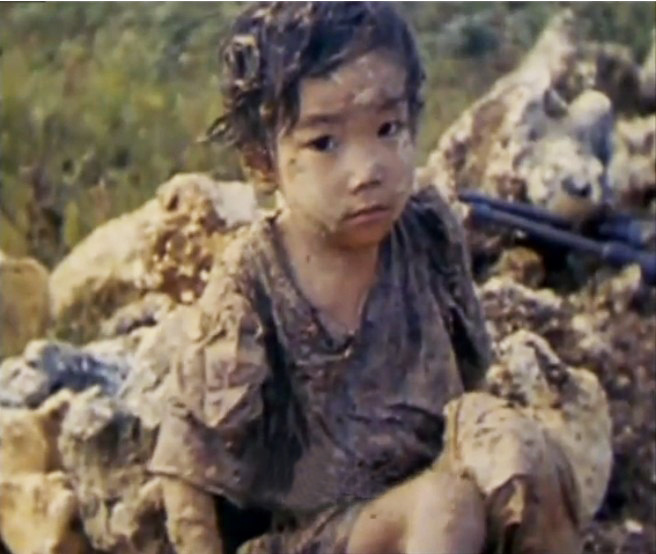
A survivor of the Battle of Okinawa, where nearly half of the estimated 300,000 islanders were killed.

A survivor of the Battle of Okinawa, where roughly nearly half (142,058) a third of the estimated 300,000 civilians were killed.

The photo above is from the video1 below. The video is brief. Only three minutes long. But it’s high definition and in color, and it looks as though it could have been shot yesterday. But it was June 1945, near the end of the 82-day-long Battle of Okinawa and about two months before Emperor Hirohito announced the surrender of Japan on 15 August 1945. The part that we all must see is the second half, which begins at about the 1:30 mark. Here we see civilians — women, children, elderly — emerging from caves after months of deprivation.

In the first half of the video, we see U.S. soldiers throwing explosives into caves. We have to wonder how many civilians were in those caves, how many were killed, how many were injured, how many survived.

In the video, toward the end, we see a U.S. soldier giving water to a little Okinawan child, shaking and covered in mud. Of all the images that emerge from this, “the largest amphibious assault in the Pacific War of World War II,”2 this is the one that haunts me most.

This one image leaves so many questions unanswered. They begin with the little child, but they extend to all the survivors. Who is he/she? What’s his name? What became of him? His family? Did he survive the aftershock of the battle? Of the war? Did he grow up to marry and raise a family? Is he still living? What are his thoughts and feelings about the war? About life?

I hope he survived and lived a full and happy life.


Update 8/13/15: See E. Heinrich-Sanchez’s “Search for ‘The Little Girl’ Is Renewed,” Japan Update, 6/23/15. This “little girl” is apparently not the child pictured in this post. Interestingly, the person featured in Heinrich-Sanchez’s article is Ray Gillespie and the person who commented on this post is named “Ray.” However, they can’t be the same person since Gillespie died 17 years ago. According to Heinrich-Sanchez, “Gillespie, a U.S. Marine from Toledo, Ohio, was a USMC 6th Division Veteran of the Battle of Okinawa, wounded in the stomach by machine-gun fire…. ‘He spent much of the last year of his life trying to find a little girl who haunted him. He contacted Japanese, Okinawans, and Americans, but died without any answers’” (Laura Homan Lacey, Stay off the Skyline), Potomac Books, 2007).

Update 10/25/2025: Updated the URL for link in the 8/13/15 update. Ordered the paperback version of the Lacey book from Amazon after reading excerpts of oral accounts from US soldiers.

Update 10/25/2025: Yosuke Anri, in a Ryukyu Shimpo article, “Woman Claims to Be the Iconic ‘Tremnling Girl’ in War Footage” (English translation by T&CT and Monica Shingaki, 23 June 2019), wrote: “Sometime before June 22 [2019], Sueko Urasaki (nee Kakazu), 81, a resident of Oroku, Naha City, came forward as the mystery girl. Urasaki claims the footage was shot in Osato, Takamine Village (present-day Itoman City.)”
__________
1 “1945 Okinawa: The Final Hours” uploaded to YouTube by UnknownWW2InColor on 30 Nov. 2010.
2Battle of Okinawa.” Wikipedia. Retrieved 7.15.13.

Posted in History, Images, Video | 13 Comments

Yukie Nakama: One of the Most Successful Actresses from Okinawa


Yukie Nakama (仲間 由紀恵), a Japanese actress, singer and former idol, was born in Urasoe, Okinawa, Japan. Her list of dramas and movies from 1996-present is long (see Wikipedia).

This slideshow requires JavaScript.

Highlights from her career:

“Yukie Nakama – Interview” uploaded to YouTube by hoody232 on 8.27.09.

“J-Movie “g@me.” Yukie Nakama & Naohito Fujiki” uploaded to YouTube by maruton6523 on 9.27.09.

Posted in Actor/Actress, Film, Video | 4 Comments

Uta no Hi 2013 Photos: A Mahalo to Hawaii’s Okinawan Community

Updated 1/2/16

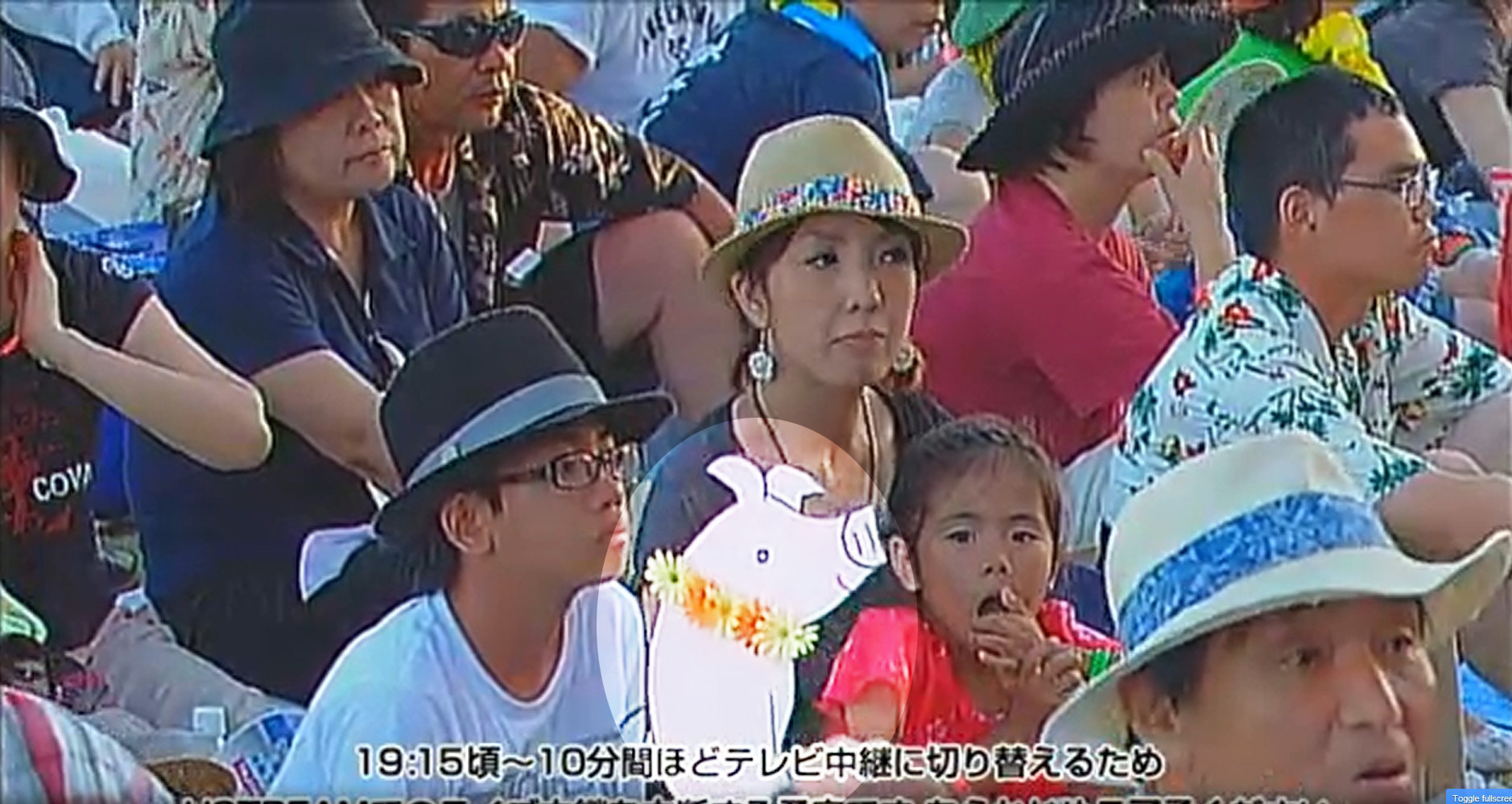
I did it. I watched the entire 7:00PM to 1:30AM live webcast, beginning Friday evening and ending early Saturday morning, of the “Uta no Hi” concert from Kadena, Okinawa, Japan. The annual event, I learned, was developed and sustained by the Okinawan band, BEGIN, to raise funds to repay a debt of gratitude to the Hawaii Okinawan community. Interestingly, the backstory is just as if not more fascinating than the concert series itself.

In August 1948, the United Okinawan Assistance Association of Hawaii appealed to Hawaii’s Okinawan community for donations to purchase pigs to help the war-battered people of Okinawa rebuild their agricultural economy. Seven men — Ryoshin Agena, Heisho Miyasato, Gyukichi Nakama, Shinei Shimabukuro, Genbi Tonaki, Yasuo Uezu, and Yoshio Yamashiro — sailed to Oregon with funds to buy 550 pigs, loaded them on a ship, and cared for them on the 28-day trip to Okinawa.1

In a spirit of appreciation, of buta no ongaeshi2, BEGIN’s goal is to raise enough funds to give the Hawaii Okinawan community 550 musical instruments3 from Okinawa. [Update 1/2/16: “BEGIN has donated over 50 Ichigo Ichi E to the HUOA” (12/14/15)]

I’m not sure if the amount of Hawaiian influence built into the concert is a standard part of Okinawan concert culture today or if it’s a means to emphasize the goals of the fundraiser. Regardless, the Hawaii presence throughout the concert is immense. You can get a sense of it in the pictures below. As the end of the concert neared, all the performers returned to the stage for the traditional kachashi and the dancers, both hula and Okinawan dance, joined in, spreading out at the foot of the stage and in the aisles between the seated audience. As the concert closed, as the performers took their final bows and the cameras zoomed out and faded, the strain of a recorded version of “Hawaii Aloha”4 played softly.

The photos below were captured from the streaming live video. Here’s a still of the Stolabo Tokyo homepage with Uta no Hi streaming live:

Stolabo Tokyo webcast homepage with "Uta no Hi" streaming live.

Stolabo Tokyo webcast homepage with “Uta no Hi” streaming live.

As a viewer, you have the option to zoom in on the video so that it fills your entire screen.

The resolution of the video was generally poor, and there were some glitches where either video or sound failed to transmit. Thus, the quality of the photos isn’t the best and the sound recordings I made probably won’t be great. (I haven’t had a chance to review the recordings.) But there’s really no room for complaint when the alternative is to have no streaming at all. Live webcasts such as this will, hopefully, become more common and, in the process, better in terms of resolution. I can only imagine what it would be like in high definition video and audio.

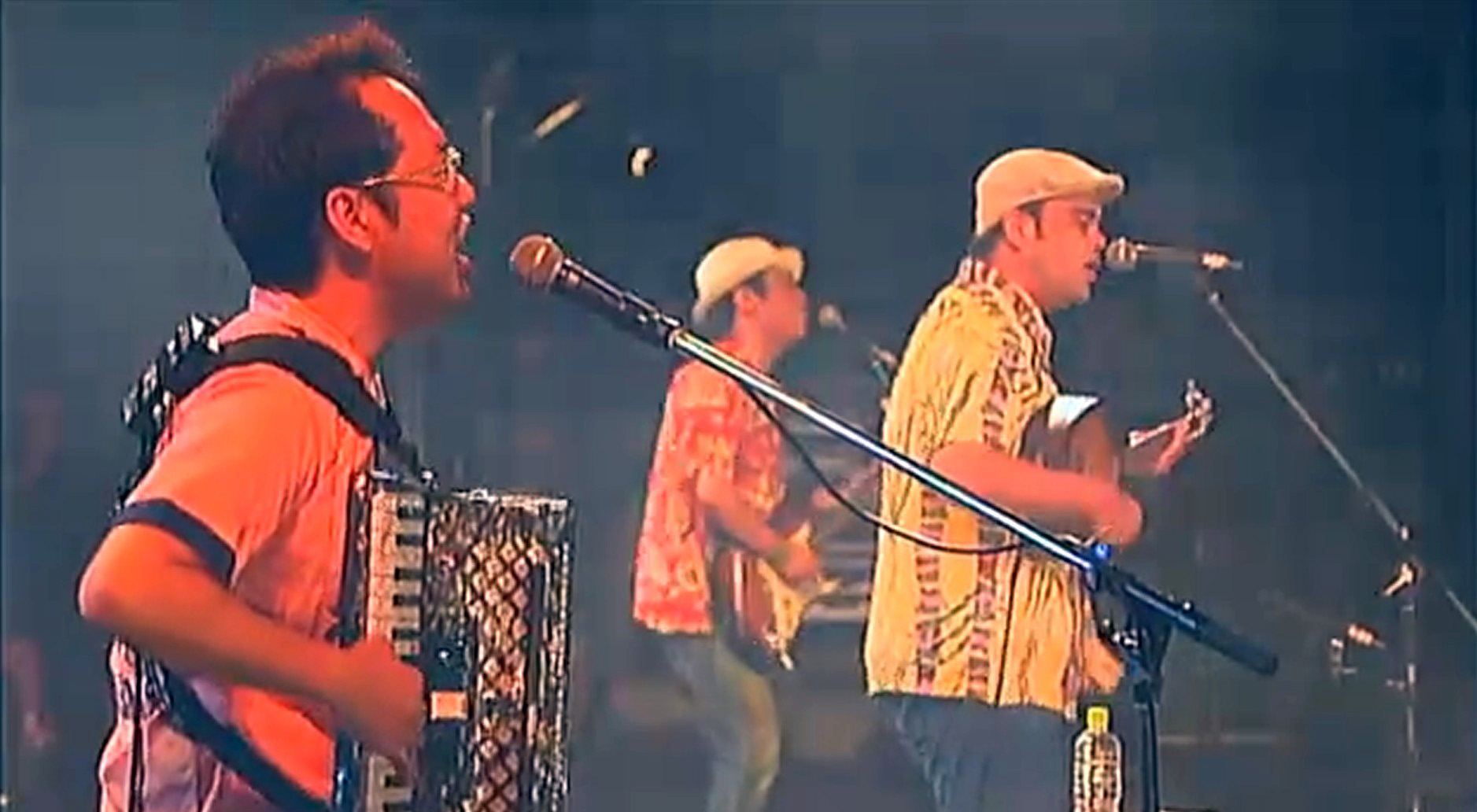
BEGIN: Uechi Hitoshi, Higa Eishō, Shimabukuro Masaru on 6/28/13 at the Uta no Hi (Songs Day) concert in Kadena, Okinawa, Japan.

BEGIN: Hitoshi Uechi, Eisho Higa, Masaru Shimabukuro on 6/28/13 at the Uta no Hi (Day of Songs) concert in Kadena, Okinawa, Japan.

This little pig is the inspiration behind Uta no Hi.

This little pig, sold as a concert souvenir, is the inspiration behind Uta no Hi.

BEGIN: Uechi (accordion), Shimabukuro (guitar), Higa (sanshin).

BEGIN: Uechi (accordion), Shimabukuro (guitar), Higa (sanshin).

Continue reading
Posted in Concert, Culture, Dance, Festival, History, Images, International, Music, Travel | Leave a comment

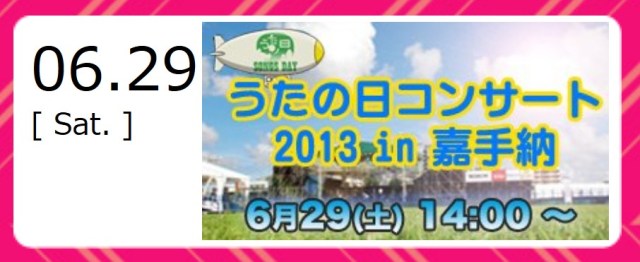
BEGIN’s ‘Uta no Hi’ Concert Live Via Internet 6/28/13, 7:00pm-1:30am Hawaii Time


uta no hiClick the image above or go to this site to watch the concert: http://stolabo-tokyo.com/?aid=251

Streaming live from Kadena, Okinawa, on 6/29, from 2pm to 8:30pm
Hawaii time:  6/28, from 7pm to 1:30am

For those who don’t know the popular Okinawan group BEGIN, see the video below for their performance of “Sanshin No Hana,” with English translation.

According to shibbystylee (Andrew Agcaoili, Kadena Town, Okinawa): "These two amazing girls will be performing at the Uta No Hi Concert in Okinawa today with BEGIN!!"

According to shibbystylee (Andrew Agcaoili, Kadena Town, Okinawa): “These two amazing girls will be performing at the Uta No Hi Concert in Okinawa today with BEGIN!!”

Posted in Music, Video | Leave a comment

Gackt

Last updated 3/28/19 8:16 am

In the video1 below, Gackt2 and Wang Lee Hom perform “Orenji no Taiyou,”3 theme song from the film Moon Child4. Their co-stars Zeny Kwok and Yamamoto Taro also appear on stage. Missing is Hyde, who “was on tour with L’arc-en-ciel at the time and couldn’t be there.”5

Gackt

Gackt

Wang is a Chinese-American “singer-songwriter, record producer, actor and film director” now working out of Taiwan. “He is also a four-time winner of Taiwan’s Golden Melody Awards, the ‘Grammys’ of Taiwanese music.” Kwok is an actress from Hong Kong. Gackt and Yamamoto are from Japan: Gackt, from Okinawa, and Yamamoto, from Hyogo. Hyde (Takarai Hideto 寶井 秀人) is from Wakayama, Japan.

Gackt JnT – Part 15 [Orenji no Taiyou]

Continue reading

Posted in Actor/Actress, Concert, Culture, Film, Images, International, Music, Video | Leave a comment

Ryukyu Kingdom’s Lasting Link to the U.S. Naval Academy

Last updated 10/11/14, 11/18/15

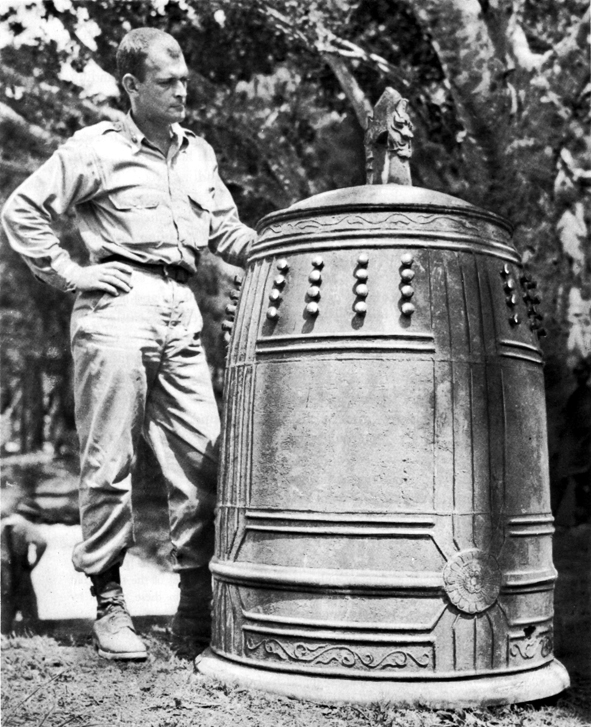
An interesting side story in Chang-su Houchins’s Artifacts of Diplomacy: Smithsonian Collections from Commodore Matthew Perry’s Japan Expedition (1853-1854)1 revolves around a large bronze bell, Gokoku-ji, that was among the items “given” to Commodore Perry during the fourth2 and final exchange of gifts between the U.S. and the Ryukyu Kingdom on 11 July 1854.

The original bell played, and the replica continues to play, a role in U.S. Naval Academy traditions. “Like the original bell, the replica is rung to celebrate football victories over Army. The bell is stationed in front of Bancroft Hall.”3

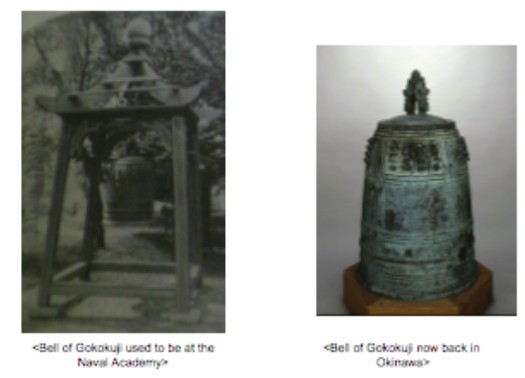
The only images that I could find of what I assume is the original bell are the low-resolution photos4 below. [Update 11/18/15: See the photo after the next.] The photo after these is of the present-day replica at Annapolis.

Caption 1: "Bell of Gokokuji used to be at the Naval Academy"; 2: "Bell of Gokokuji now back in Okinawa."

Caption 1: “Bell of Gokokuji used to be at the Naval Academy”; 2: “Bell of Gokokuji now back in Okinawa.”

ch15p8

Much thanks to The Lonely Scientist (see his comment in the forum below) for pointing us to this photo of the Bell of Gokokuji, which he describes as “a high resolution picture of the twin to the bell that remained in Shuri.”

Continue reading

Posted in History, Images | 3 Comments

Ryukyuan Artifacts from Commodore Matthew Perry’s Japan Expedition (1853-1854)


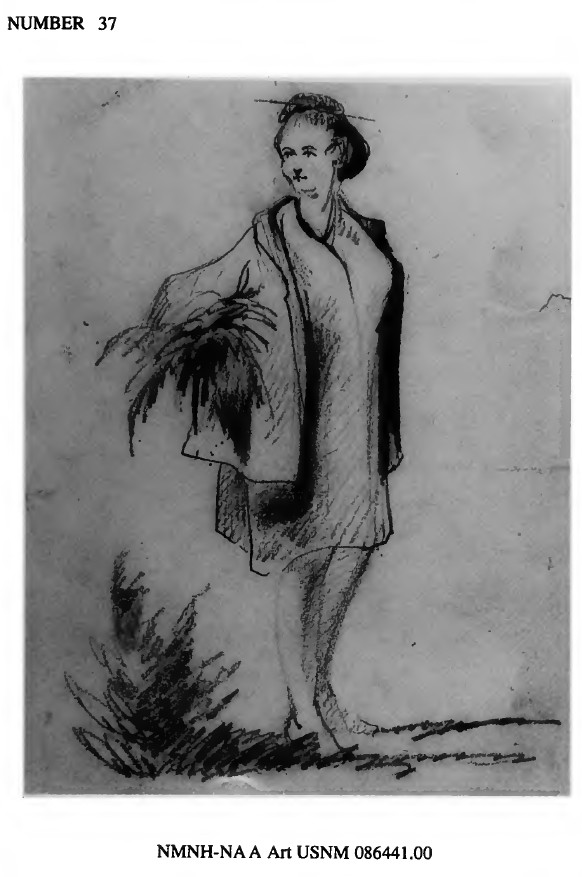
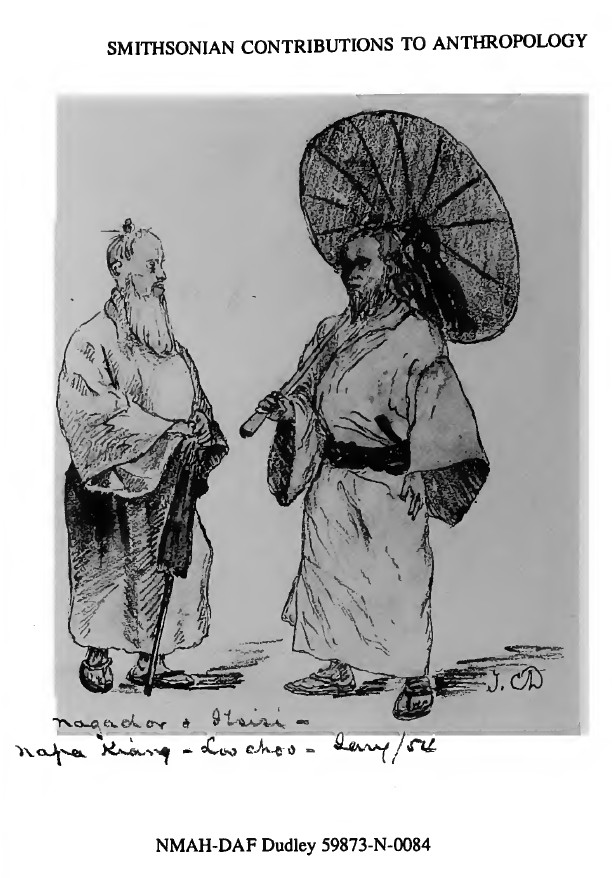
Chang-su Houchins’s Artifacts of Diplomacy: Smithsonian Collections from Commodore Matthew Perry’s Japan Expedition (1853-1854)1 offers tantalizing glimpses into Japan and Ryukyu history in the mid-19th century. After downloading the PDF file, do a search on NahaRyukyu, and Ryukyuan to find items related specifically to the Ryukyu Kingdom. The illustrations of a “Loo Choo” woman and Ryukyu officials, below, are but two of many others in the book.

"Loo Choo Woman" by William Heine, ca. 1853-1854, Naha, Ryukyu. Heine was the principal artist with Perry's Japan Expedition, 1853-1854.

“Loo Choo Woman” by William Heine, ca. 1853-1854, Naha, Ryukyu. Heine was the principal artist with Perry’s Japan Expedition, 1853-1854.

Hand-colored, pencil sketch of a standing group of Ryukyuan officials in native dress by T.C Dudley. Subjects are Nagado and Itarajiki, interpreter for the Ryukyuan regent, Sho Ko-kun. Naha, July 1854.

Hand-colored, pencil sketch of a standing
group of Ryukyuan officials in native dress by T.C. Dudley. Subjects are Nagado
and Itarajiki, interpreter for the
Ryukyuan regent, Sho Ko-kun. Naha, July 1854.

__________
1 Smithsonian Contributions to Anthropology, Number 37, Smithsonian Institution Press: Washington, D.C., 1995. This is a large PDF so it may take a while to load into your reader.

Posted in History, Images | Leave a comment

‘Hana’ (花) – The Most Moving Okinawa Minyo

Last Updated 3/25/19  2:32 pm

“Hana” (花) was written and composed by Kina Shoukichi (喜納昌吉). The full title is “Subete no Hito no Kokoro ni Hana O” (すべての人の心に花を), and a rough English translation is “Flowers for Your Heart.” It’s from Kina’s 1980 album, Blood Line. Ry Cooder played guitar on that album.1 The original 1980 recording featured Kina Tomoko, Shoukichi’s wife.2

* * *

Update 7/6/15: The best version I’ve heard has once again been removed from YouTube. It’s taken me a long while to get to this update. The video below is very similar to the version, which I had considered the best, that had been removed from YouTube. This version3 is different, but they both feature Kina Tomoko, whose voice makes whatever version the best. This version also includes Ry Cooder on slide guitar, and you can hear the Hawaiian influence that he picked up while jamming with Gabby in Honolulu.

[NO LONGER AVAILABLE ON YOUTUBE]

We owe the discovery of this classic to Jon, who emailed me (loochoo77@gmail.com) the link with the following message on 10/14/14:

My Mother was Japanese (born in Hawaii) and that was how I first heard Sayuri Ishikawa’s version back in the early nineties. I listen to everything from punk to classical and that got me hooked on enka music (at least Hibari & Ishikawa). Soon after, she let me know that the writer of the song was performing on Japanese television and that was when I first heard of Kina Shoukichi. I didn’t think too much of his version (he’s not much of a singer) so my interest in him stopped there. When I did the search yesterday, the first thing that popped up was a video of Kina Shoukichi & Ry Cooder. I’m a Ry Cooder fanatic and I found out that he played on the original recording. I found the original (I think) on Youtube and now I have to find that record.

P.S.: One of Ry Cooder’s records is called Chicken Skin Music and he plays with Gabby Pahinui on slack-key.

Jon, my apologies for the long delay in getting this up. We can’t thank you enough for providing this link. Hopefully, this video will remain up so that people the world over can enjoy what I consider the most moving Okinawa minyo.

* * *

Update 1/2/16: Sincerest apologies to Mimi for the long delay in adding this Malagasy group version of “Hana” to this post. I had planned to insert it in the main post but simply forgot. This morning, while adding another rendition, I stumbled upon this comment and corrected my oversight. Tarika Sammy, with Henry Kaiser and David Lindley, does a soulful rendition that captures the spirit of Kina Tomoko’s original. This has to be among the best covers to date. Thanks to Mimi for calling our attention to this version from Madagascar.

[NO LONGER AVAILABLE ON YOUTUBE]

* * *

The following version — which I added to this article on 1/14/14 — by a singer (Nidawan Asavataweechok — see Haohaodangdang’s update below) that I’m not familiar with, comes very close to the original and is very moving. Her voice is much more musical, though, different from Kina Tomoko’s in the original, which was emotionally raw and, thus, moving in a different way.

นิด นิดาวรรณ [Nidawan Asavataweechok]- Hana (花). Uploaded to YouTube by nidmahuizhen on 8/9/13.
[NO LONGER AVAILABLE ON YOUTUBE]

Update 7/19/14 from Haohaodangdang: “The first singer whose name is in Thai scripts, is Nidawan Asavataweechok, a Thai singer from Chulalongkorn University who won first prize in the Chinese Song singing competition. In Sep 23rd on 2012, she took the courage to take part in THE VOICE in Thailand with her Chinese songs and won many hearts and support. Her songs were usually Teresa Teng’s but she sangs other songs and Hana is her first attempt and you can see she imitated Rimi Natsugawa (夏川 りみ).”

Continue reading

Posted in Music | 20 Comments