‘Asadoya Yunta’ – A Common Bond for Okinawans the World Over

Last updated  2/26/20  11:50 PM

I found the following YouTube video on Rodney Inefuku’s Facebook page. It’s the best version I’ve heard thus far. [Update 3/16/16: It’s among the best I’ve heard.] Removed from YouTube.

“Asadoya Yunta” [安里屋ユンタ] is a traditional folk song from Taketomi Island in the Yaeyama district, Okinawa. According to Tomo Yaimanchu, “It is … about a beautiful lady, ‘Asadoya nu Kuyama’ who was brave enough to reject the wedding proposal from a government man. The Japanese government came to Ryukyu and ruled around that era, so this song has a little anti-government theme. The Asadoya nu Kuyama’s house is one of the tourist attractions in Taketomi Island. If you are on a water buffalo ride, the Ojii will play sanshin and s[i]ng it for you!”

Yaimanchu explains that “yunta” is a style that distinguishes “Yaeyama songs and dances … from other parts of Okinawa. Yunta sing about intensive labors (farming), a joy of and a prayer for an abundant harvest of crops, love, building houses, etc. in a narrative fashion.”1

Added 6/5/15: “安里屋ユンタ Asadoya Yunta / 上間綾乃 Ayano Uema” uploaded by shimauta4u on 12/21/13. Removed from YouTube by Columbia Records.

The following version of the song is by Coi-na. The 4th stanza differs from the lyrics2 below.
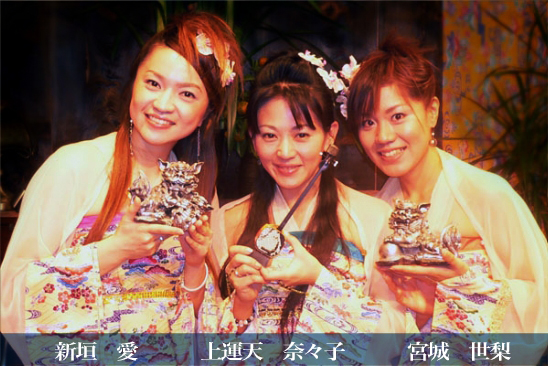
Coi-na, l-r,

Coi-na (コイナ), l-r, Arakaki Ai (新垣愛, from Nishihara), Kamiunten Nanako (上運天奈々子, from Naha-Shuri), and Miyagi Seri Yonashi (宮城世梨, from Haebaru).

“Asadoya Yunta” Lyrics in Romaji

Saa kimi wa nonaka no ibara no hana sa
saa yui yui
kurete kaereba yareho ni hikitomeru
mata hari nu chin dara kanushamayo

Saa ureshi hazukashi ukina o tatete
saa yui yui
nushi wa shirayuri yarehoni mama naranu
mata hari nu chin dara kanushamayo

Saa takusa toru nara izayoi tsukiyo
saa yui yui
futari de kigane mo yarehoni mizu irazu
mata hari nu chin dara kanushamayo

Saa somete agemasho konji no kosode
saa yui yui
kakete okureyo nasake no tasuki
mata hari nu chin dara kanushamayo

Saa Okinawa yoi toko ichido wa mensooree
saa yui yui
haru natsu aki fuyu midori no shima yo
mata hari nu chin dara kanushamayo3

Okinawans have emigrated to different parts of the world, but they share a common culture and take pride in perpetuating it. “Asadoya Yunta” is a song that unites them across national, cultural, and language boundaries. Here are some examples:

Hawaii
Added 3/16/16: 『安里屋ユンタ』 ✿ 夏川りみ [Natsukawa Rimi] ✿小錦 [Konishiki] ✿ ジェイク・シマブクロ [Jake Shimabukuro]. Uploaed to YouTube 5/26/12

The following video, uploaded to YouTube by Kosen Ishikawa on 7/15/12, features a performance at the West Kauai Hongwanji Bon Dance in Hanapepe. The lyrics are included in the video, karaoke style, and synced with the dance movements.

 London

Continue reading

Posted in Culture, Dance, International, Music | 5 Comments

Video: ‘Okinawa 1950s to 1960s’


This video, comprising still photos, was created and uploaded to YouTube by Donn Cuson (aka “Desert Donn”) on 5/12/13. The images are among the best I’ve seen from this period. I especially like the Okinawa minyo in the soundtrack. I couldn’t find any information about this recording on the video or in the accompanying comment. Cuson’s website, Remembering Okinawa, offers a wealth of priceless images from Okinawa’s 1945-1972 postwar period. For more on Cuson, see Tamiko Suzuki’s “American Veteran Passes on Information About Okinawa’s Postwar History” (Ryukyu Shimpo, 3/11/13).

Posted in Culture, History, Images, Music, Video | Leave a comment

Lynne Yoshiko Nakasone: Master of Okinawan Dance

Lynne Yoshiko Nakasone is a 2012 U.S. National Endowment for the Arts (NEA) National Heritage Fellow. Following are some excerpts from the NEA site:

Lynne Yoshiko Nakasone

Lynne Yoshiko Nakasone Sensei

Born in Naha, Okinawa, Japan, in 1933, into a family that appreciated classical Okinawan music and dance, Nakasone began studying dance under Master Ryosho Kin, beginning at the age of six and continuing until 1955. Okinawan classical dance, also referred to as Ryukyu dance, dates back to the Ryukyu Kingdom and was developed to entertain Chinese envoys and Japanese clans. Featuring slow dance movements and colorful clothing called Ryukyu Bingata, Okinawan dancers use movements of the eyes and hips to tell stories while the upper part of the body remains stationary.

In 1955 Nakasone was honored as one of the Best 10 Dancers in an Okinawa dance competition and in the same year moved to Hawaii with her husband. In Honolulu, she began teaching Okinawan dance and founded the Hooge Ryu Hana Nuuzi no Kai Nakasone Dance Academy, where she teaches both traditional Okinawan dance and the modern, upbeat folk style, or minyo, dance. The Nakasone Dance Academy has performed throughout Hawaii and on the West Coast and has been a traditional part of the Hawaii United Okinawan Association’s annual festival. In 2006, the Nakasone Dance Academy was recognized by the State of Hawaii for presenting 1,000 goodwill performances.

Nakasone’s noted performances include a 1968 performance at a special gathering in honor of the Imperial Majesties Prince and Princess Takamatsu; a 1982 performances at the Japan National Dance Theatre in Japan; and a 1985 performance at the Centennial Celebration of Japanese Immigration to Hawaii.

Among her many awards are an Individual Artist Fellowship from the State of Hawaii, a Legacy Award from the Hawaii United Okinawa Association, a certificate of commendation from the government of Japan, and a Living Treasure Award by the Hawaii Buddhist Association. May 20, 2006 was officially proclaimed “Lynn Yoshiko Nakasone Day” by the mayor of Honolulu.

On the NEA site, be sure to click on the “Interview” tab. The fascinating interview features Lynne and her daughter, Lisa, who is also an accomplished sensei and dancer.

Posted in Culture, Dance, History, Instruction, International, Music | Leave a comment

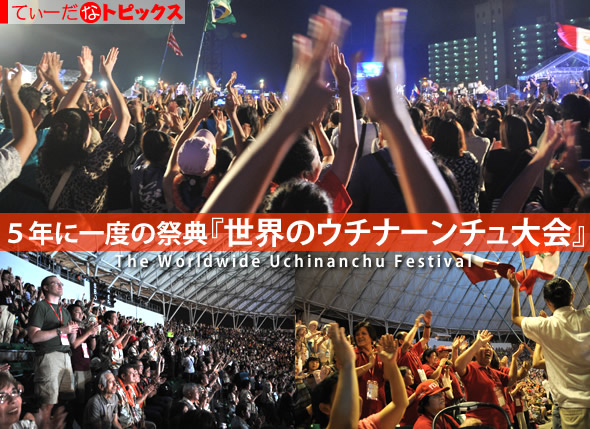
6th Worldwide Uchinanchu Taikai in 2016

Updated 6/16/15

Update

Source: tidana.ti-da.ne

Source of image: tidana.ti-da.net

(A message from Minami Tamamoto, president of the World Association of Youth Uchinanchu. The emphasis in this announcement is the 3rd youth festival, but it also mentions the 6th Worldwide Uchinanchu Festival.)

Haitai, from Okinawa, I am Minami Tamamoto, president of the World Association of Youth Uchinanchu.1

At the International Conference that took place in the 5th Worldwide Uchinanchu Festival, we announced that we will organize the Youth Uchinanchu Festival every year until the 6th Worldwide Uchinanchu Festival, 2016.2 [“The Uchinanchu Taikai is a rare opportunity developed to allow Uchinanchu from all over the world (the Uchinanchu Diaspora) to return to the islands to reconnect with their heritage and culture and to redevelop linkages to their motherland.”3]

In July 2012, we held the 1st Worldwide Youth Uchinanchu Festival in Sao Paulo, Brazil. In July 2013, the 2nd Worldwide Youth Uchinanchu Festival in L.A, USA. Approximately 85 youth uchinanchus from 8 different countries participated, and this festival was successful in regards to strengthening and reinforcing the Uchinanchu network.

We are extremely grateful and thankful from the bottom of our hearts for all the help and support we received, especially to the co-organizer, Okinawa Association of America, Inc. (Los Angels Wakamono Taikai Support Committee) and WYUA USA Wakamono Taikai Planning Committee. We couldn’t have organized it without their support.

We are also pleased to announce that we have decided to host the 3rd Worldwide Youth Uchinanchu Festival in Dusseldorf, North Rhine-Westphalia, Germany. We have already started preparing for the festival and would like to count on your support. If you can spread the word and inform your youth members and other youth groups about this Festival, there is no limit to our potential of becoming a unified Uchinanchu network all across the globe.

The attached documents contain an outline of the 3nd Worldwide Youth Uchinanchu Festival Germany 2014, a poster. Please check if all the files are there.

For more information, please check our website

In addition, we are planning to hold the Worldwide Youth Uchinanchu festival 2015 in Philippines and 2016 in Okinawa. In 2016, we are absolutely certain that both the 6th Worldwide Uchinanchu Festival4 and Youth Uchinanchu Festival will be a joint-event beyond imagination. We kindly ask for your ongoing support.

Again, thank you very much for your cooperation!

Sincerely yours,
Minami Tamamoto

__________
1 From l’Association des ressortissants Okinawaiens en France, 6/17/14.
2 Also see Funoki.
3 From Okinawa Peace Network of Los Angeles.
4 Dates of previous Worldwide Uchinanchu Festivals: 1st, 23-26 Aug. 1990; 2nd, 16-19 Nov. 1995; 3rd, 1-4 Nov. 2001; 4th, 11-16 Oct. 2006, 5th 12-16 Oct. 2011. Some of these dates include the parade, which precedes the opening day.

Posted in Culture, Festival, International, Travel | 1 Comment

Kokusai Dori; Ishikawa Woodblock; ‘Okinawa: The Last Battle’

Umushirikutu
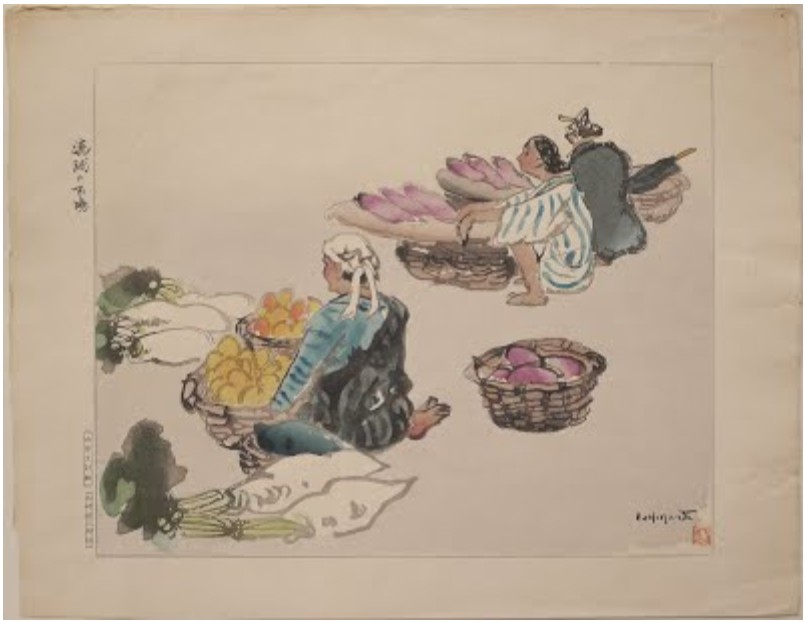
umushirikutu02See Ishikawa Toraji’s woodblock print, ‘Ryukyu Market,’ (琉球の市場 Ryukyu no ichiba) c. 1935.

Ryukyu Market (琉球の市場 Ryukyu no ichiba) Ishikawa Toraji c1935

Ryukyu Market (琉球の市場 Ryukyu no ichiba) Ishikawa Toraji c1935

* * *

Read Okinawa: The Last Battle (U.S. Government Printing Office, 1948), the work of combat historians of the 1st Information and Historical Service, Tenth Army, Roy E. Appleman, James M. Burns, Russell A. Gugeler, and John Stevens. This digitized version of the book is very readable online. “Digital” means you can search for key words, especially useful if you’re interested in details about action in specific towns. The document is divided into chapters to facilitate reading, but this piecemeal approach also forces you to search chapter by chapter rather than the whole book. (Scroll to the middle of the main page for the live table of contents.) Regardless, the reports are riveting in their detail, facts and figures. The photos are very poor, however, and we can only hope that the prints in the hardcopy book are better.

From

An aerial photo map of the Shuri battleground in southern Okinawa. I found this photo interesting because it lists my parents’ hometowns, Urasoe and Yonabaru, yet unsettling to see them on a battle map.

* * *

Read Hillel Wright’s “Kokusai Dori: Getting Bitten by Okinawan Culture” (Japan Times, 6/21/14). Here are a few excerpts:

Kokusai Dori is the name of a 2 km stretch of shops, hotels, bars and restaurants which cuts through the heart of downtown Naha, the largest city in Okinawa. The street’s name in English is International Road.

It provides a multitude of places to drink, dine, enjoy Okinawan music and buy souvenir’s — everything from cheap bead bracelets sold by street vendors to exquisite and expensive coral statuary in high-end jewelry shops, to traditional glassware and pit vipers pickled in alcohol.

On Sundays . . . the street is closed to traffic and opens up to dancers, fire-eaters, street performers and children, who can use an open-air play area created for them in front of the Kokusai Dori Starbucks Coffee shop.

The street hosts parades and festivals such as the Eisa folk-dance festival in summer, the Shuri Castle Festival in autumn or the Uchinanchu Taikai (Okinawan Reunion) Festival, held every five years to welcome the global Okinawan diaspora back to their ancestral homeland.

Traces of Ryukyu culture are also in the products sold by tourist shops along the street including colorful Ryukyu glassware, shisa (lion-dog statuettes), sanshin (a three-stringed instrument), kariyushi shirts (Okinawa’s version of Hawaii’s aloha shirts), habushu (poisonous snake liqueur) and pastries made with beni imo (purple sweet potato).

Posted in Art, Culture, History, Images, Publication, Travel | 1 Comment

‘The Targeted Village’ – A Lightning Rod for Okinawans’ Discontent

The Targeted Village (標的の村) is a 91-minute documentary based on Chie Mikami’s 2012 award-winning TV program produced for an Okinawa station. Mikami, 48, is a newscaster at Ryukyu Asahi Broadcasting. The village, Takae, is in northern Okinawa. At issue is the construction of heliports for the MV-22 Osprey tilt-rotor transport aircraft at Futenma air base. Residents, fearing accidents and environmental destruction, have been protesting to stall the project. The central government has been locking horns with the protesters to maintain access to and from the base and to keep the incident out of the media. This news blackout is the impetus for the documentary.

As an issue, Futenma looms much larger than the heliports and Ospreys. It has become a lightning rod for the Okinawans’ discontent with their burden of the US military bases in Japan. Okinawa accounts for less than 1% of Japan’s land mass, yet it houses 75% of all US bases in the country. Nearly 20% of Okinawa, the main island, is taken up by bases. Thus, this local issue has grown to capture the hearts of people throughout the country and the world as a fight for civil rights and self-determination. The videos below provide a glimpse into the movement.

Resources
Mika Kurokawa, “Film Depicts Okinawans’ Fight Against Ospreys,” Japan Times, 8/12/13.
In Okinawa, the War Isn’t Over: Protests Aimed at US Base Expansion,” NBC News, 4/13/13.

Posted in Culture, Film, History, International, Media, Op-ed, Politics, Video | Leave a comment

OkiNinjaKitty’s YouTube Videos on Okinawa

OkiNinjaKitty's YouTube channel features videos on Okinawa.

OkiNinjaKitty’s YouTube channel features videos on Okinawa. Kathryn has been living on Okinawa for almost 10 years.


“Poem of Sorrow – Yomitan Village Okinawa, Japan,” uploaded to YouTube by OkiNinjaKitty on 5/29/14.

Posted in Culture, History, International, Media, Travel, Video | Leave a comment

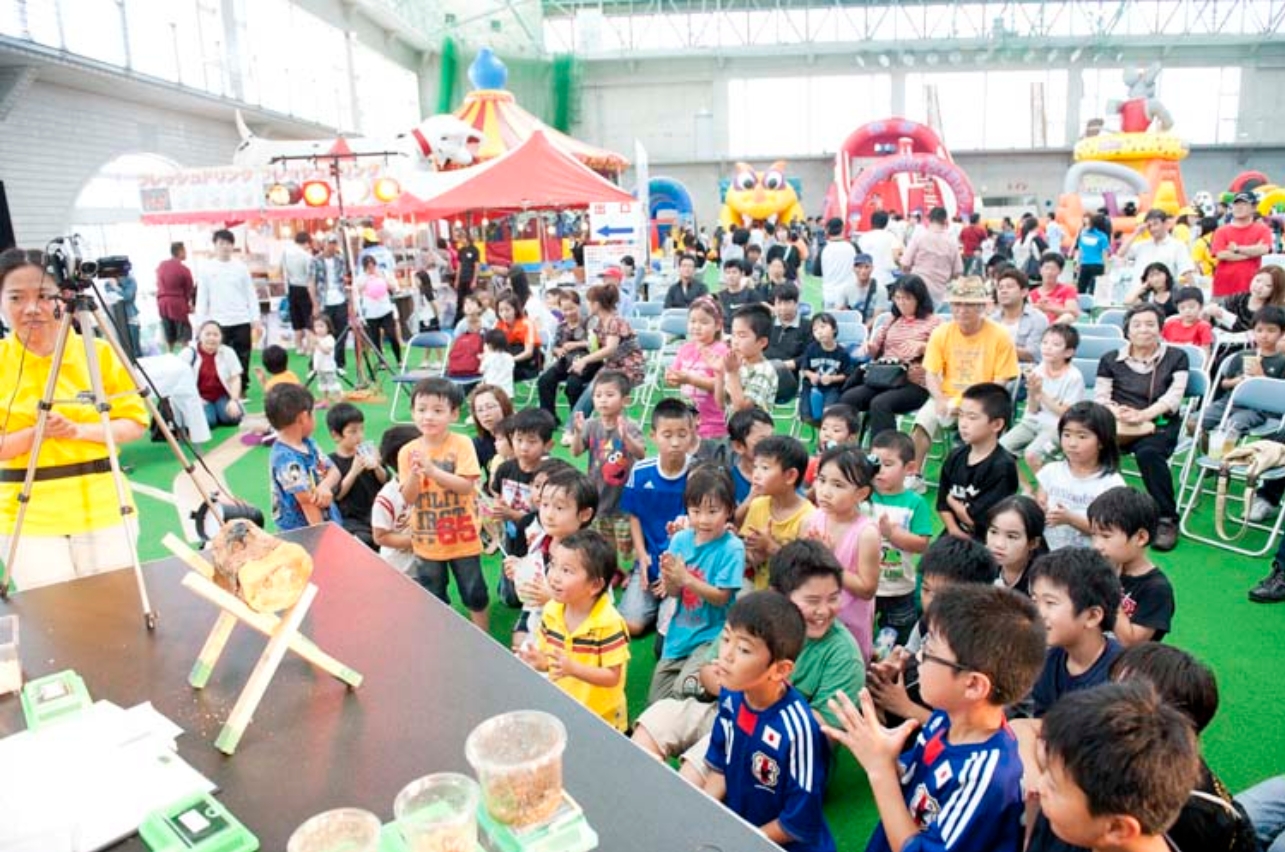
Children’s Day May 5 at Chatan Dome in Mihama, Chatan

In celebration of Children's Day (May 5), the 11th Kids Festival Adventure World was held at the Chatan Dome in Mihama, Chatan from May 3-6 from 9:00am - 5 pm.

In celebration of Children’s Day (May 5), the 11th Kids Festival Adventure World was held at the Chatan Dome in Mihama, Chatan, May 3-6 from 9:00am – 5 pm. Source: “Golden Week Offers Kids’ Event Whole Family Can Enjoy,” Japan Update, 5/1/14.

Posted in Culture, Education, Fair, Festival, Travel | Leave a comment

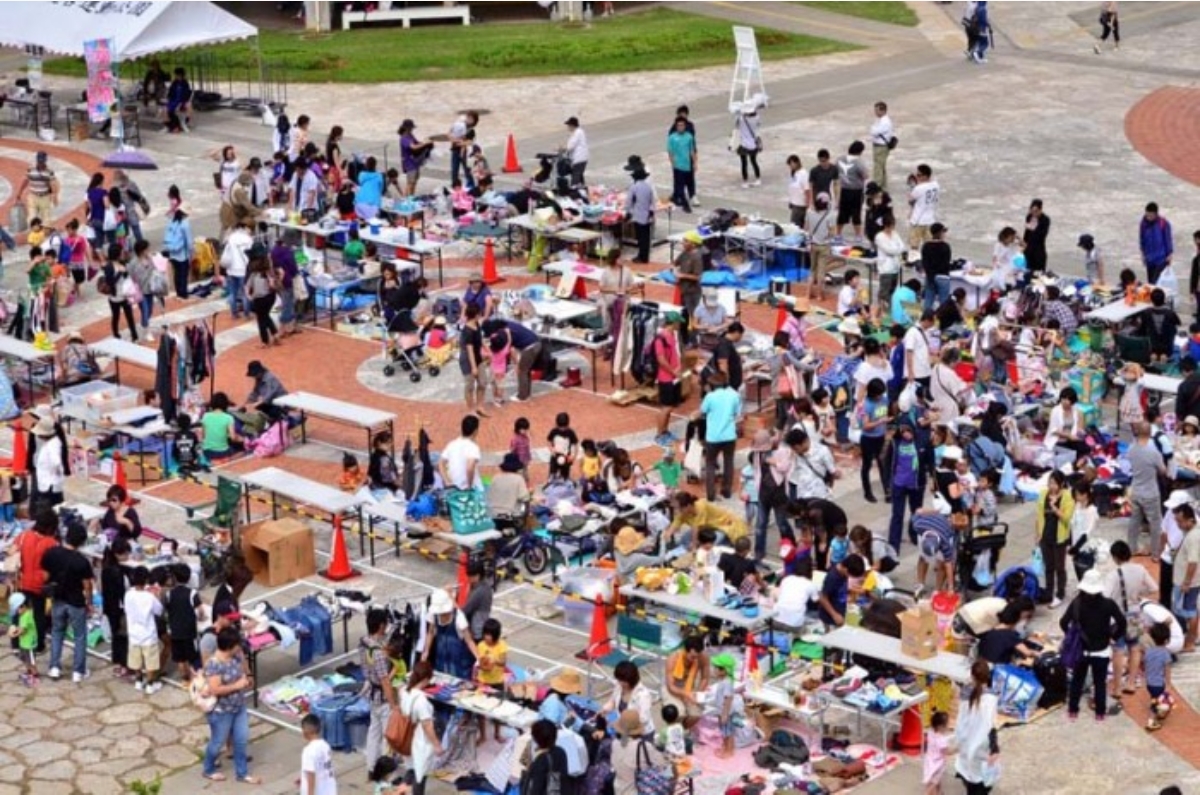
Rare and Handmade Items at Okinawa Flea Market on 6/15/14

Flea Market.

Flea Market, featuring rare or handmade products, at Okinawa Comprehensive Athletic Park in Awase, Okinawa City, on 6/15/14, from 10am-1pm. Source: “Handmade Crafts Focus at Sunday Marketplace,” Japan Update, 6/12/14.

Posted in Culture, Fair, Travel | Leave a comment

Surfing Okinawa

The following is a partial list of surf breaks in Okinawa. (Source: Magic Seaweed/Stormrider Surf Guide)

Aha Point
Kudaka
Castles
Sunabe Seawall
Mainside
Buma
Sunabe II
Aja
Bowls
Maeda
Suicide Cliffs
Turtles
Ikei
Ko Chan

Other sources:
Surfing Japan – Okinawa
Happy Surfing Okinawa
Surfline

Posted in International, Sports, Travel, Video | Leave a comment

Liana Nakahodo to Speak at WUB on 6/12/14

Liana Nakahodo, a sansei from Brazil, will be the speaker at the Worldwide Uchinanchu Business Association–International 12 June 2014 meeting. Go to the WUBHawaii site for details.

Liana Nakahodo, a sansei from Brazil, will be the speaker at the Worldwide Uchinanchu Business Association–International 12 June 2014 meeting. Go to WUBHawaii for details.

Posted in Culture, Education | Leave a comment

Junko Fisher: Ryukyu Dance and Music Lessons in NYC, Summer 2014

For details, see Susan Miyagi Hamaker’s “Ryukyu Dance and Music Lessons with Junko Fisher,” Japan Culture NYC, 6/3/14.

©Junko Fisher

©Junko Fisher

Posted in Culture, Dance, History, Images, Instruction, International, Music | Tagged | Leave a comment

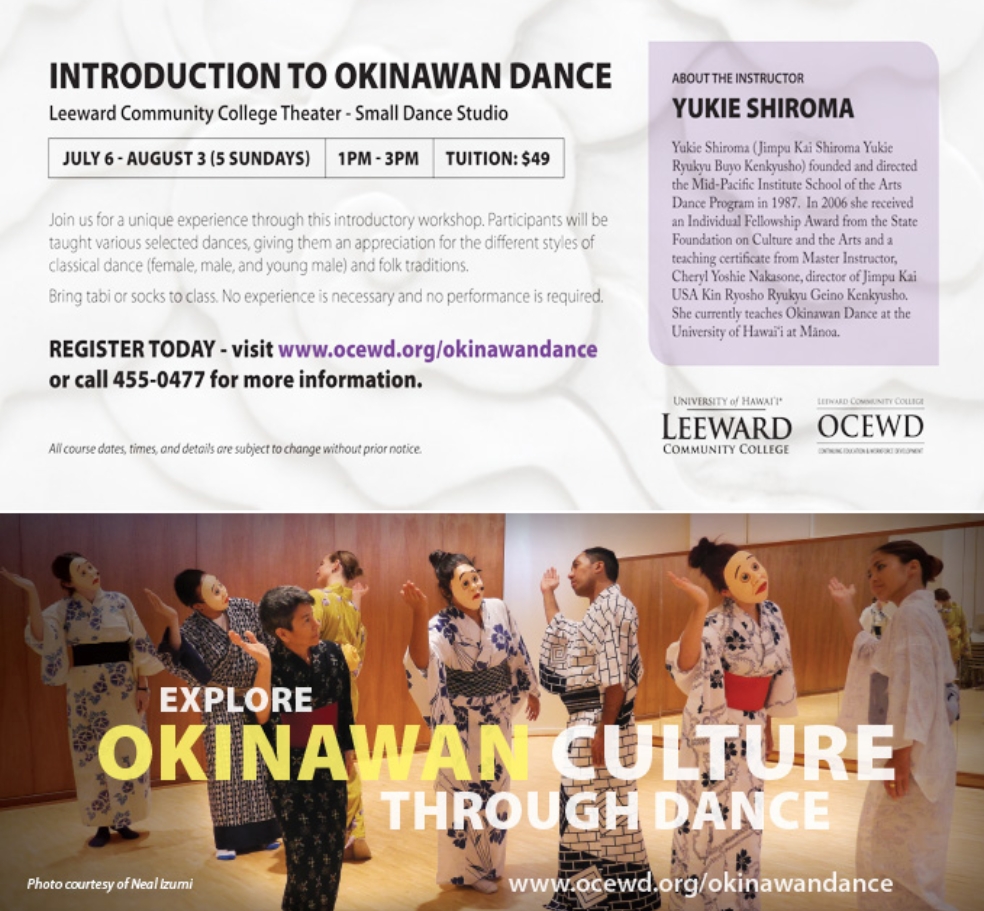
Introduction to Okinawan Dance at Leeward Community College, Oahu, July 6-Aug 3, 2014

Click image toenlarge.

Click here for more information. Click image to enlarge.

Posted in Culture, Dance, Music | Leave a comment

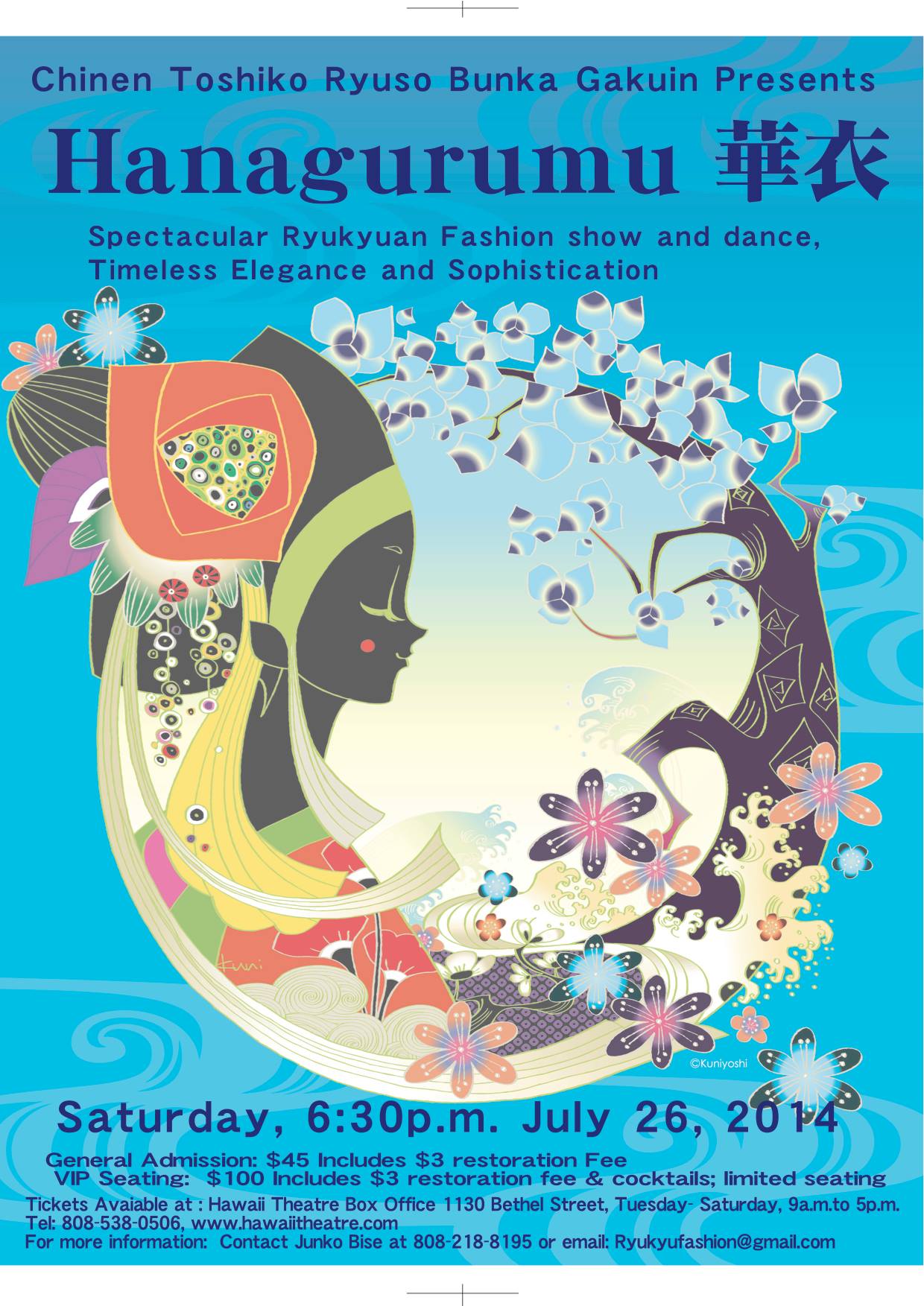
Hanagurumu: Ryukyuan Fashion Show and Dance 7/26/14

“Hanagurumu” by Chinen Toshiko Ryuso Bunka Gakuin. Saturday, July 26, 2014 from 6:30 pm at the Hawaii Theatre on 1130 Bethel Street. Click image to enlarge.

“Hanagurumu” by Chinen Toshiko Ryuso Bunka Gakuin. Saturday, July 26, 2014 from 6:30 pm at the Hawaii Theatre on 1130 Bethel Street, Honolulu, Hawaii. Click image to enlarge.

Posted in Culture, Dance, Fashion, Music | Leave a comment

767 Children Killed in 1944 When Tsushima Maru Torpedoed

Updated 10/11/14, 5/31/15, 6/6/15, 1/5/17
In my Google Alerts this morning, I found an item from the Ryukyu Shimpo about a WWII memorial service held at Tinian, in the southeast of Okinawa one of the three principal islands of the Commonwealth of the Northern Mariana Islands,”1 the scene of civilians and soldiers who leapt to their death from the top of a cliff.2 As I read past the end of the story for more on the subject, I found a link to another article, and this one hit home in more ways than one.

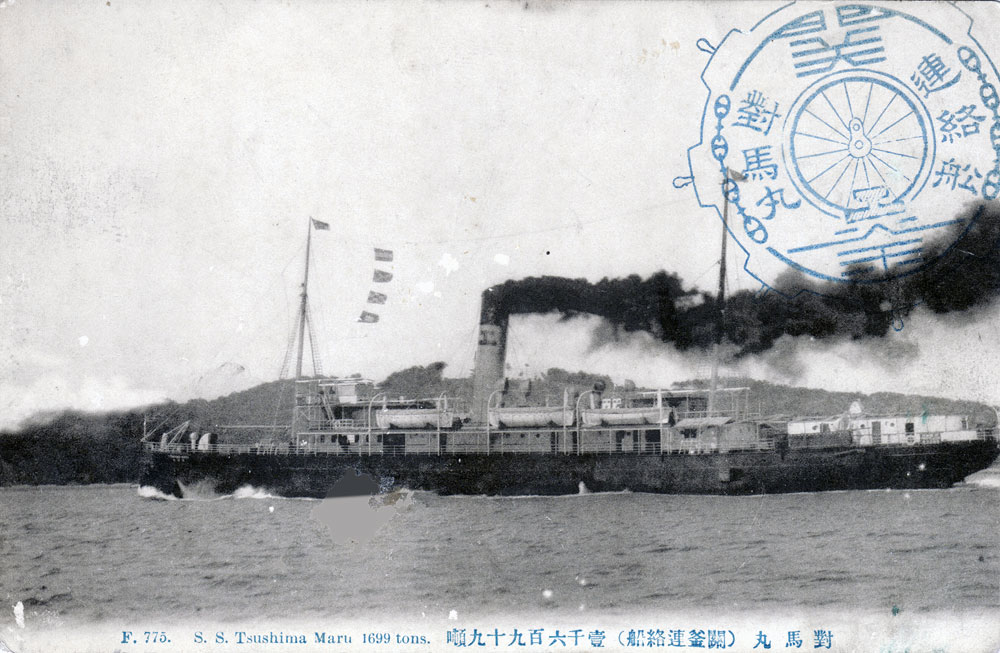
Tsushima Maru

Tsushima Maru

It was about the Tsushima Maru tragedy.3 Until this moment, I’d never heard of it. On 22 Aug. 1944, about eight months before the Battle of Okinawa, the Tsushima Maru, a passenger-cargo ship, was on her way from Naha, Okinawa, to Kagoshima, Kyushu, a destination that was altered to Nagasaki,4 also in Kyushu, on the first day at sea, the 21st. It carried 1484 civilians, including 826 children. According to some of the survivors, the purpose, ironically, was evacuation, i.e., to move children to a safer place on one of the main islands. It was part of a convoy that included, in addition, three cargo vessels, a destroyer, and a gunboat.

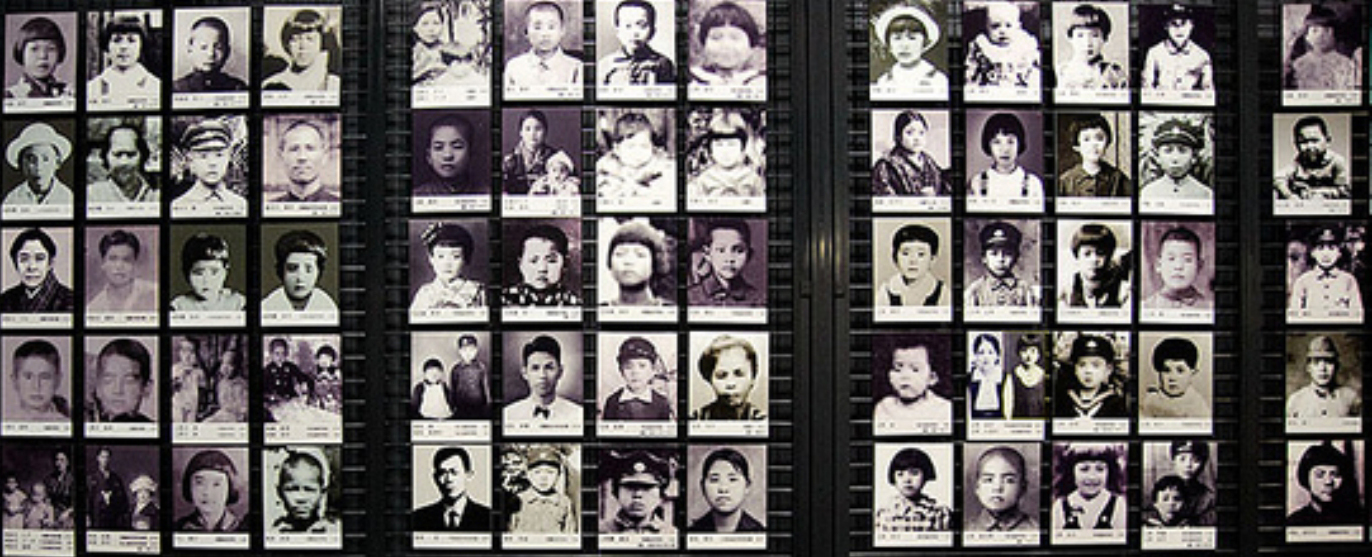
Photos of victims exhibited in the Tsushima Maru Museum.

A portion of the photos of victims exhibited in the Tsushima-maru Memorial Museum.

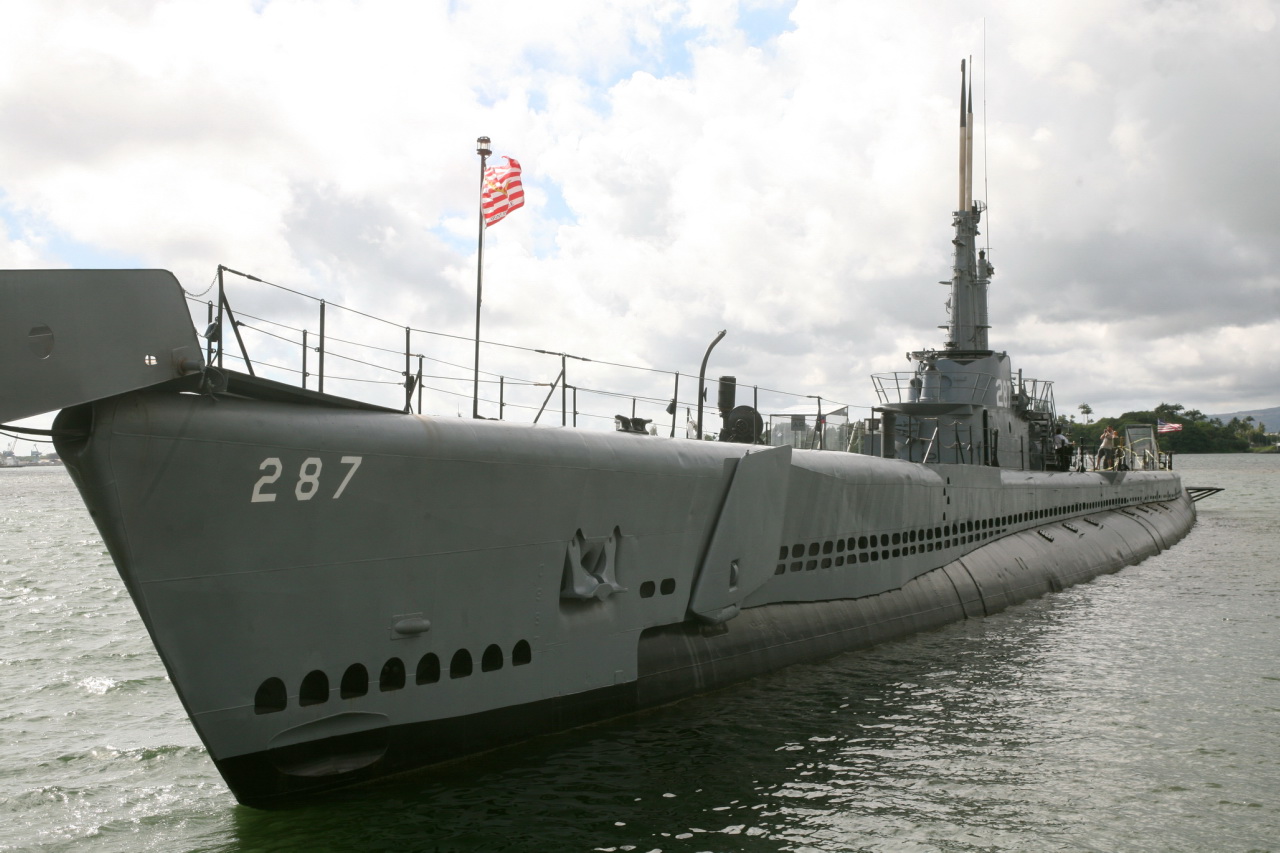
At around 10pm, the ship was hit by torpedoes fired from the USS Bowfin, which was under the command of CDR J. Corbus. In less than twelve minutes, the ship sank, killing most of the passengers, including 767 children. Only 59 children survived.5 Five of them shared their accounts of the incident: Mitsuko Itokazu, Kiyoshi Uehara, Tae Uehara, Masakatsu & Chiyo Takara.6

Mitsuko Itokazu, Kiyoshi Uehara, Tae Uehara, Masakatsu & Chiyo Takara.

Mitsuko Itokazu, Kiyoshi Uehara, Tae Uehara, Masakatsu & Chiyo Takara. Photos from the Tsushima-maru Memorial Museum website.

At the time, the Japanese government forbade survivors to discuss the subject. Thus years passed before word of the tragedy got out. In the Bowfin’s original records, this kill was listed as just another “cargo” ship. In fact, it’s still listed as such in some accounts. More than twenty years after the war, after the US learned about the civilian passengers aboard, the record was revised to “passenger-cargo,” and added to the vessel’s description was “unmarked” and “unlighted” (Tsushima Maru Sinking) at the time of the attack.

Tsushima Maru, photo from the USS Bowfin Submarine Museum & Park webpage.

Another photo of the Tsushima Maru, from the USS Bowfin Submarine Museum & Park webpage.

USS Bowfin

The USS Bowfin at dock in Pearl Harbor, Hawaii.

Update 10/11/14: See Tsukasa Kimura and Masahiro Iwata’s “Survivors recount 1944 sinking that claimed Okinawan students,” Asahi Shimbun, 8/22/14.

__________
1 Thanks to Anonymous for this correction. Quote from Wikipedia, 1/5/17.
2A Memorial Service for Okinawan War Dead Held in Tinian,” 6/4/14.
3Memorial Service Held for Victims of Tsushima-Maru Tragedy,” Ryukyu Shimpo, 8/23/13.
4 This destination change added irony to this tragedy. On 9 Aug. 1945, approximately a year later, the Enola Gay released an atomic bomb over the city of Nagasaki, killing 39,000 to 80,000 people. Death seemed to stalk the passengers on the Tsushima-Maru.
5 Sources: Wikipedia and USS Bowfin Submarine Museum & Park.
6 Tsushima-maru Memorial Museum website. Update 5/31/15: The links were apparently removed by the museum to block online access to the interviews. I went to the site and couldn’t find the interviews. I substituted links to articles that mention three of the survivors. Webcite alternatives: Mitsuko Itokazu, Kiyoshi Uehara, Masakatsu Takara.

Posted in History, Images | 4 Comments

Tamashiro Market – A Gabby-style Band in Okinawa

The Okinawa Botanical Gardens in Chibana, Okinawa City, was the setting for the second “Uchina-Hawaiian Meets Jazz” event yesterday. One of the featured attractions was an Okinawan group called Tamashiro Market.1 See the video below, which was uploaded to YouTube by Makalani1004 the same day.

Members of the group are “Kamani” Hilakawa, ukulele, vocal; Waka-chan, bass, vocal; “Bombero” Shimada, 12-string slack key guitar, percussion, audience; Uchida #2, slack key guitar, vocal; Shin-chan, steel guitar; Hatchan, mandolin, weissenborn, banjo; Ryo “Keiki,” 12-string & 6-string double neck slack key guitar, tiple, vocal.

Here’s another video from 8 May 2011, “2011.5.8 ‘Slack Key Rainbow’ at Cotton Club, Tamashiro Market, Medley,” uploaded to YouTube by Malibusurf70 on 5/11/11. The video quality and audio are a little better.

For Hawaii locals, if you’re wondering, the answer is yes, they got their name from Tamashiro Market in Kalihi. On their webpage, the famous crab logo is prominently displayed.
__________
1Botanical Gardens Showcase Uchinaa-Hawaii-Jazz Connection,” Japan Update, 29 May 2014.

Posted in Culture, Music, Video | 1 Comment

Okinawa Day 2014 in London, June 21

Click image to view the flyer.

Click image to view the flyer.

OK Day Lond 02

http://www.okinawaday.org.uk/

Posted in Culture, Dance, Food, International, Karate, Music | Leave a comment

Osaka to Okinawa: 9-day Trip on a Suzuki DL650

“V-strom DL650 9 days Japan trip HD (大阪→沖縄 納車野宿ツーリング)” uploaded to YouTube by Ironwindow13 on 5/19/11.

This Okinawan wanted a Suzuki DL650, but it wasn’t available on Okinawa. So he bought one over the phone from a dealer in Osaka. He flew to Osaka, picked it up, and rode it, 1243 miles, back to Okinawa. Over water, he used ferries. He used a helmet-mounted camera for the video. Through most of the ride, he slept on the floor in tiny roadside covered bus stops and other similar places.

His itinerary: Day 1, Osaka – Maizuru. Day 2, Maizuru Wakasa – Chiwa Station. Day 3, Seto Ohashi – Niihama. Day 4, Niihama – Kamegamori forest road – Iejigawa Taisho Town Station. Day 5, Iejigawa – Tosashimizu Tatsukushi coast – Sukumo Saeki – Shigeoka Ferry Station. Day 6, Shigeoka – Kusumi mountain highway – Genpei Aso Station. Day 7, Genpei – Amakusa. Day 8, Amakusa – large flood Field station – Yoshimatsu Onsen Business Hotel (bath) – Kagoshima Port. Day 9, Okinawa, returned home.

Posted in Culture, Technology, Travel, Video | Leave a comment

Street Racing in Okinawa

“深夜に繰り広げられるカーレース – Illegal Street Racers in Okinawa,” uploaded to YouTube by VICE Japan on 2/17/14.

Posted in Culture, Technology, Video | Leave a comment

‘Ryukyu Song’ by Aria Asia

“Ryukyu Song ~ Aria Asia Live Rock” uploaded to YouTube by Watashitokimi on 7/20/09. The performer is Aria Asia (Aizawa Aria), from Fuefuki, in Yamanashi Prefecture. The genre is street rock violin.

Posted in Culture, Music, Video | Leave a comment

Cocco: Singer, Songwriter, Author, Actor – Genius

CoccoShe goes by Cocco, and she’s a multi-gifted songwriter, singer, author, and actor. Her name is Satoko Makishi (真喜志 智子), and she’s from Naha, Okinawa. Her works and performances are edgy, and she’s socially and environmentally conscious. She’s a one-off, original, genuine, brilliant, good to look at, and easy to listen to. The real thing. She was trained originally as a ballet dancer and became a singer-songwriter by accident. She was riveting in her first film, Kotoko, in 2011, which is based on an original story that she wrote. She also served as art and music director for the film.

映画『KOTOKO』予告編 (Uploaded on Jan 23, 2012)

Cocco “Lollypop” in movie “KOTOKO” 特別映像 (Published on Mar 19, 2012)

眞喜志こっこ(Cocco, Cocko)Live at Shibuya Part1 (Published on Jun 23, 2012)
http://www.youtube.com/watch?v=yh0I3fKMHVQ

Continue reading

Posted in Actor/Actress, Culture, Dance, Film, Images, Music, Video | Leave a comment

‘Okinawa Hai!’ 2014: April 11-May 12

Okinawa Hai is managed by Marie Lewis, and it features some of the best articles by people who are actually on the ground in Okinawa and writing about their own experiences in a style that’s informal, readable, informative, and fun. The following is a list of articles spotlighted on the site and retrieved on 5/13/14.

Cooking Local: Purple Carrot Salad
Tea Shop: Paopaocha Bukubuku Tea
Maehara Park
Cooking Local: Tougan Soup
Santorini Cafe & Dining
2014 Okinawa Hai Calendar – May 2014
Marine Thrift Shop
Cooking Local: Yuzu Sesame Salad with Nasturtium Flowers
Okinawa and the Ryukyu Islands: Book Review
Nago Citizen Beach
Geocaching on Okinawa
Motobu Park
Monoca Cafe
Organic Okinawa: Volunteers Keeping Okinawa Beautiful

Posted in Culture, Publication, Travel | Leave a comment

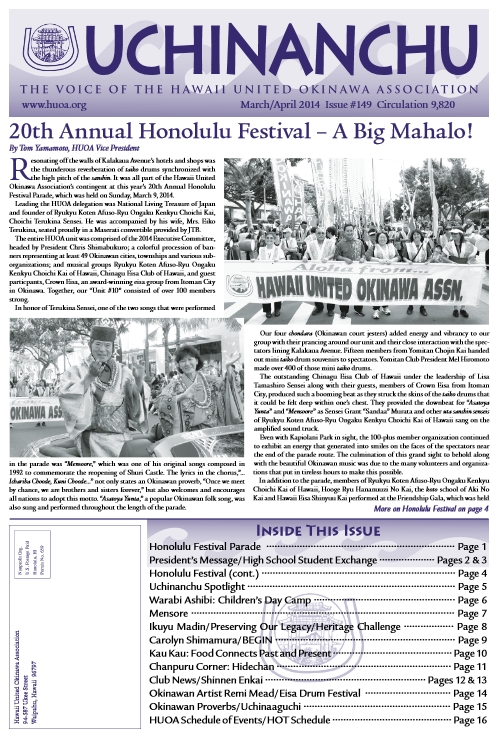
‘Uchinanchu’ Newsletter March-April 2014

Click image to read the newsletter online.

Click image to read the complete newsletter online. Click here for back issues.

Posted in Culture, Publication | Leave a comment

4th Eisa Drum Festival 5/17/14 at Kapiolani CC

Click image to enlarge.

Click image to enlarge.

Posted in Culture, Dance, Music | Leave a comment

Learn Basic Uchinaaguchi

The following video lessons were uploaded to YouTube by Aloha Uchinaaguchi, a YouTube channel dedicated to Okinawa studies, on 25 May 2010 (“Resources,” Center for Okinawan Studies, UHM). There are 15 segments in all, and each is brief, roughly 35-45 seconds in length.

1. yutashiku unigeesabira_subtitled.wmv – Yutashiku Unigee Sabira!

2. Farmers market_subtitled.wmv – At Farmers Market

Continue reading

Posted in Culture, Instruction, Language, Video | Leave a comment

‘Tinsagu nu Hana’ Is Okinawa’s Official Favorite Song

Updated 6/2/18

Daiichi Hirata, Okinawa Prefectural Government’s director general of the Department of Culture, Tourism, and Sports, announced the selection of “Tinsagu nu Hana” (てぃんさぐぬ花 Rose Balsam Flower) as the official favorite song of the prefecture at the Okinawa International Asia Music Festival in 2012. According to the Ryukyu Shimpo, it “was chosen for two reasons, one because it has been sung over a period of years, and two because the lyrics were written in Uchinaguchi and have a profound meaning.”

The following version, performed by Misako Koja (古謝美佐子), was uploaded to YouTube by Okinawa on 10/6/12. The photo in the video is a hibiscus, not the Tinsagu.

Added: 4/23/16: 上間綾乃 Ayano Uema 沖縄民謡 てぃんさぐぬ花 Okinawan folk song Tinsagu-nu-hana

Added: 6/2/18: てぃんさぐぬ花 Tinsagu nu Hana / 上間綾乃 Ayano Uema, uploaded by shimauta4u, 5/1/15

Added 6/5/15: “The Boom – Tinsagu nu Hana” uploaded by Far Side Music on 4/10/15. This duet with Yoriko Ganeko is absolutely beautiful.

The following version was uploaded to YouTube by guevara4 on 2/4/08. Performers unknown.

Continue reading

Posted in Culture, Music, Video | 4 Comments

‘The Power of the Sanshin’ – Exhibit Ends 5/11/14

From Japan Update 5/1/14: This exhibit at the Okinawa Prefectural Museum ends on 11 May 2014. Here’s more from the article:

The sanshin program takes visitors through how the sanshin has changed its form from the Chinese three-string instrument, which made its way to the Ryukyu Kingdom in the 15th century, where it has become the most typical Okinawan instrument.  Visitors will see the world of the sanshin as a beautiful piece of art, as a mysterious sounding instrument, and how its music invokes memories of Okinawa.

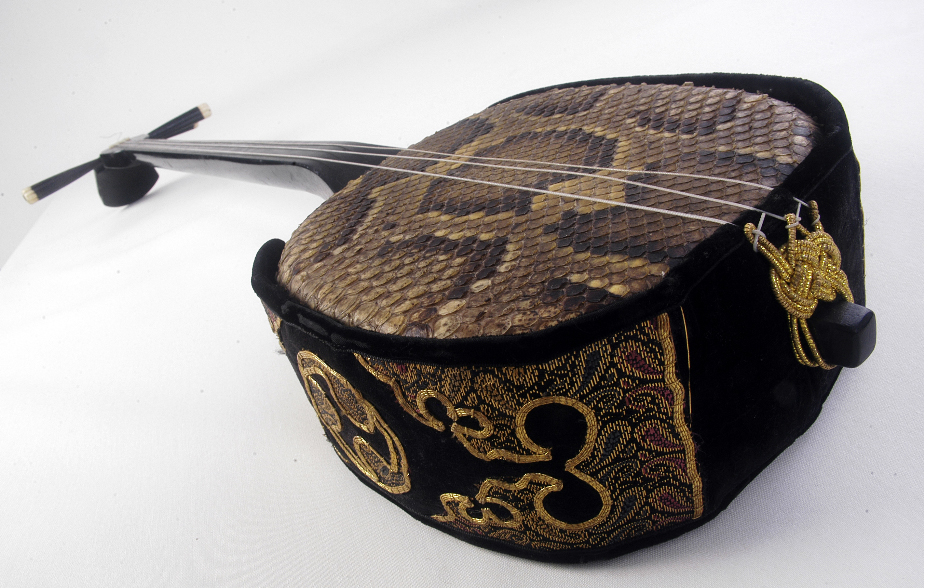
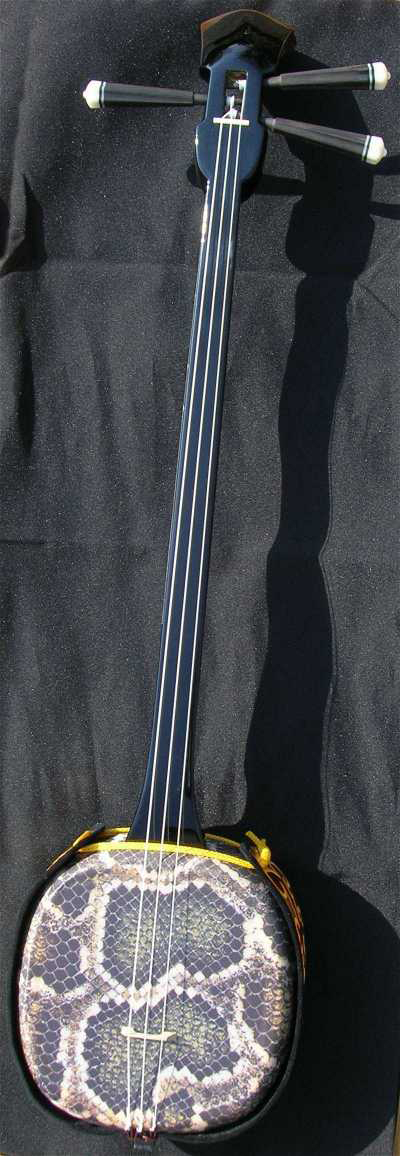
The following photos of sanshin are not from the exhibit. They’re included here as examples of sanshin.

Sanshin. Collection of Museo Azzarini, Universidad Nacional de La Plata.

Sanshin. Collection of Museo Azzarini, Universidad Nacional de La Plata.

Sanshin - an Okinawan musical instrument (synthetic snakeskin here). Photo by TimDuncan, 2 Apr 2007.

Sanshin – an Okinawan musical instrument (synthetic snakeskin here). Photo by TimDuncan, 2 Apr 2007.

Posted in Culture, Exhibit, History, Images, Music | Leave a comment

Tamari Miyashiro – U.S. Olympian

USA Olympian Tamari Miyashiro (Women's Volleyball) won the Silver Medal at the 2012 Olympics.

USA Olympian Tamari Miyashiro (Women’s Volleyball) won the Silver Medal at the 2012 Olympics.

As a member of the United States women’s national volleyball team, Tamari Miyashiro won a silver medal in the 2012 London Olympic Games. As a collegian, she was a two-time National Defensive Player of the Year at the University of Washington and has been a member of the United States women’s national volleyball team since 2010 (Wikipedia). She comes from a very athletic family. Her mother, Joey Miyashiro, who is of Hawaiian, Chinese, Irish, and English descent, played volleyball at the University of Hawaii. Her father, Gordon Miyashiro, who is of Okinawan descent, played football at Northern Michigan. Her sister, Tehani, played volleyball at the University of Hawaii. Her brother, Ainoa, played volleyball at Graceland University.  Continue reading

Posted in Culture, Sports, Video | Leave a comment

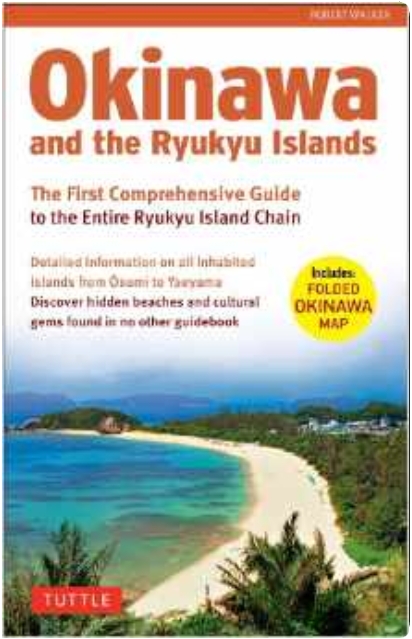
Travel Guide to Okinawa by Robert Walker

ScreenHunter_104 Apr. 30 08.16Okinawa and the Ryukyu Islands: The First Comprehensive Guide to the Entire Ryukyu Island Chain by Robert Walker to be released on May 27, 2014. It’s billed as “the first comprehensive guide to the 150 sub-tropical island chain that stretches across 600 miles from Japan to Taiwan.” Here’s more from the blurb on Amazon:

These are some of the most stunningly beautiful islands in the world!

Trek up active volcanoes, soak in nature hot springs, enjoy pristine white sand beaches, and sample Okinawa’s superb homegrown cuisine. Experienced author Robert Walker tells you how to get there, where to go, where to stay and what to do, including:

  • Ferry schedules and flights
  • Lodgings on all inhabited islands
  • Best beaches and surf spots
  • Hikes and nature walks
  • Sights suitable for families with children
  • Historical and cultural landmarks

Illustrated with over 200 color photographs and 40 maps, this book provides essential travel tips to help tourists avoid costly mistakes. It also includes a large fold-out map of Okinawa and the Ryukyu chain with insets for the major islands and cities.

Posted in Culture, Publication, Travel | Leave a comment

Japan’s First Paleolithic Discoveries in Okinawa

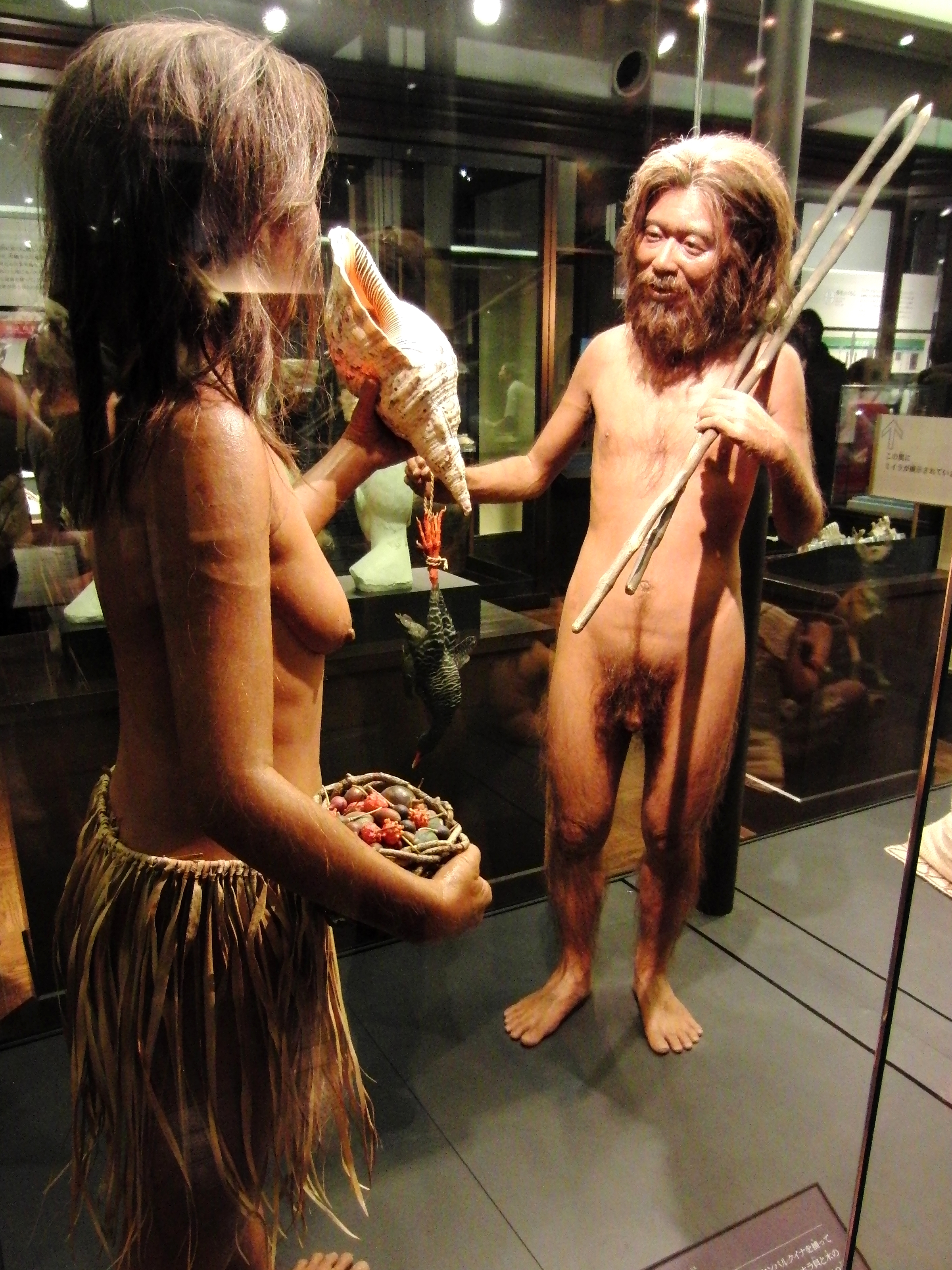
Japan Daily Press (2/17/14) reported that “tools made from shells have been discovered at the Sakitari-do cave in Nanjo, Okinawa Prefecture.” Archaeologists “also discovered in the same geological rock … a human tooth and a foot bone.” Carbon dating indicates that the findings are “around 20,000 to 23,000 years old.” In Japan, these discoveries are the first from the Paleolithic Age. In 1968, skeletal remains of the Minatogawa Man (see photo below), dating back 16,000-18,000 years, were found a little less than a mile from the Sakitari-do cave.

Restoration model of Minatogawa Man. Exhibit in the National Museum of Nature and Science, Tokyo, Japan.

Restoration model of Minatogawa Man. Exhibit in the National Museum of Nature and Science, Tokyo, Japan. Source.

Posted in Exhibit, History | Leave a comment